Dear Gamers, are we being priced out?
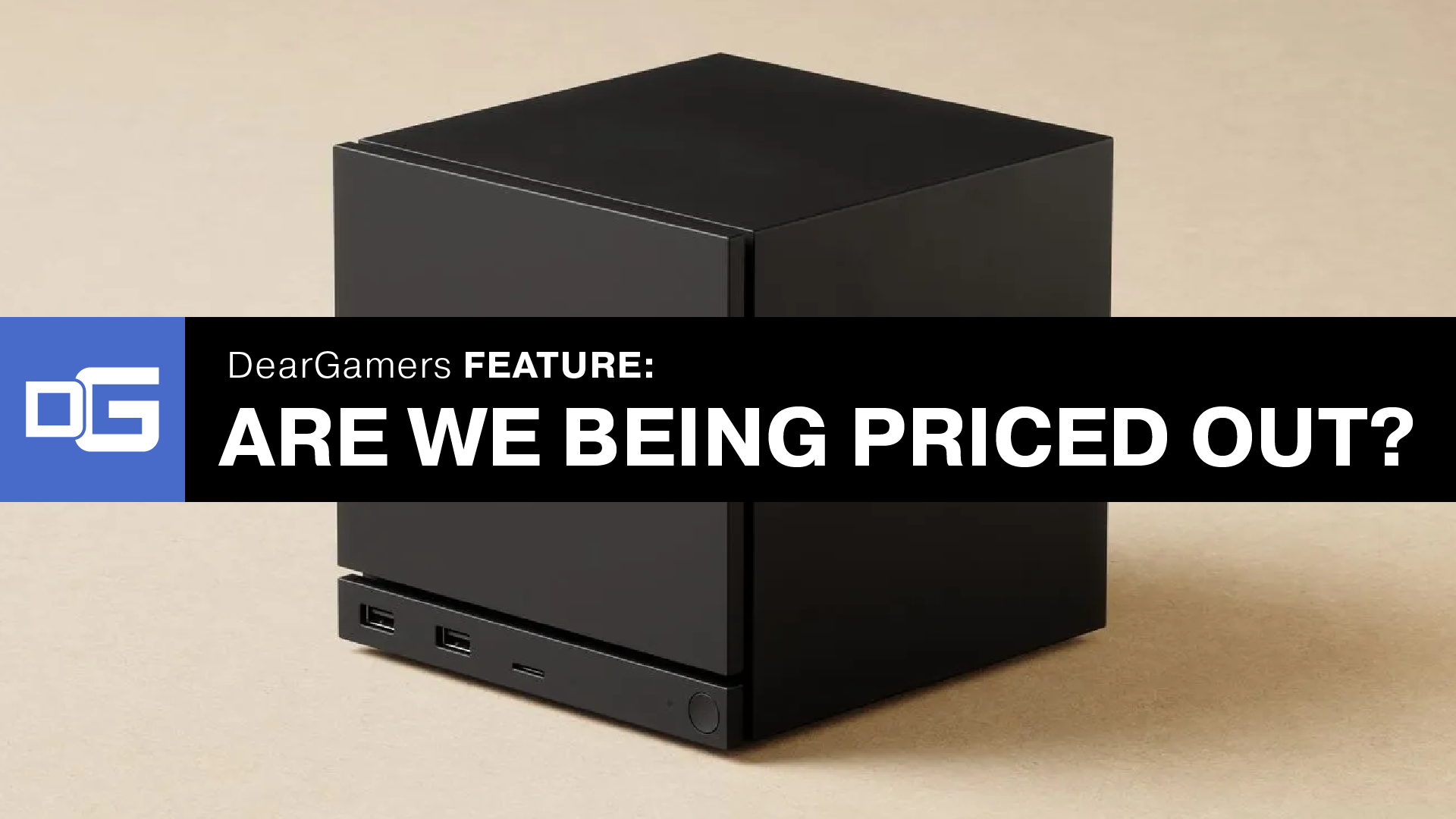
At the time of writing, it’s the day after Valve finally revealed the price of the Steam Machine and for the past 24 hours, I’ve been listening, watching, and thinking a lot about… well everything that’s going on with the cost of gaming right now.
This is not some in-depth industry report. I’m not an analyst or an insider or a hardware savant (definitely not that last one). But I have a few things I want to “think out loud” about here with you. Let’s start with some of the facts:
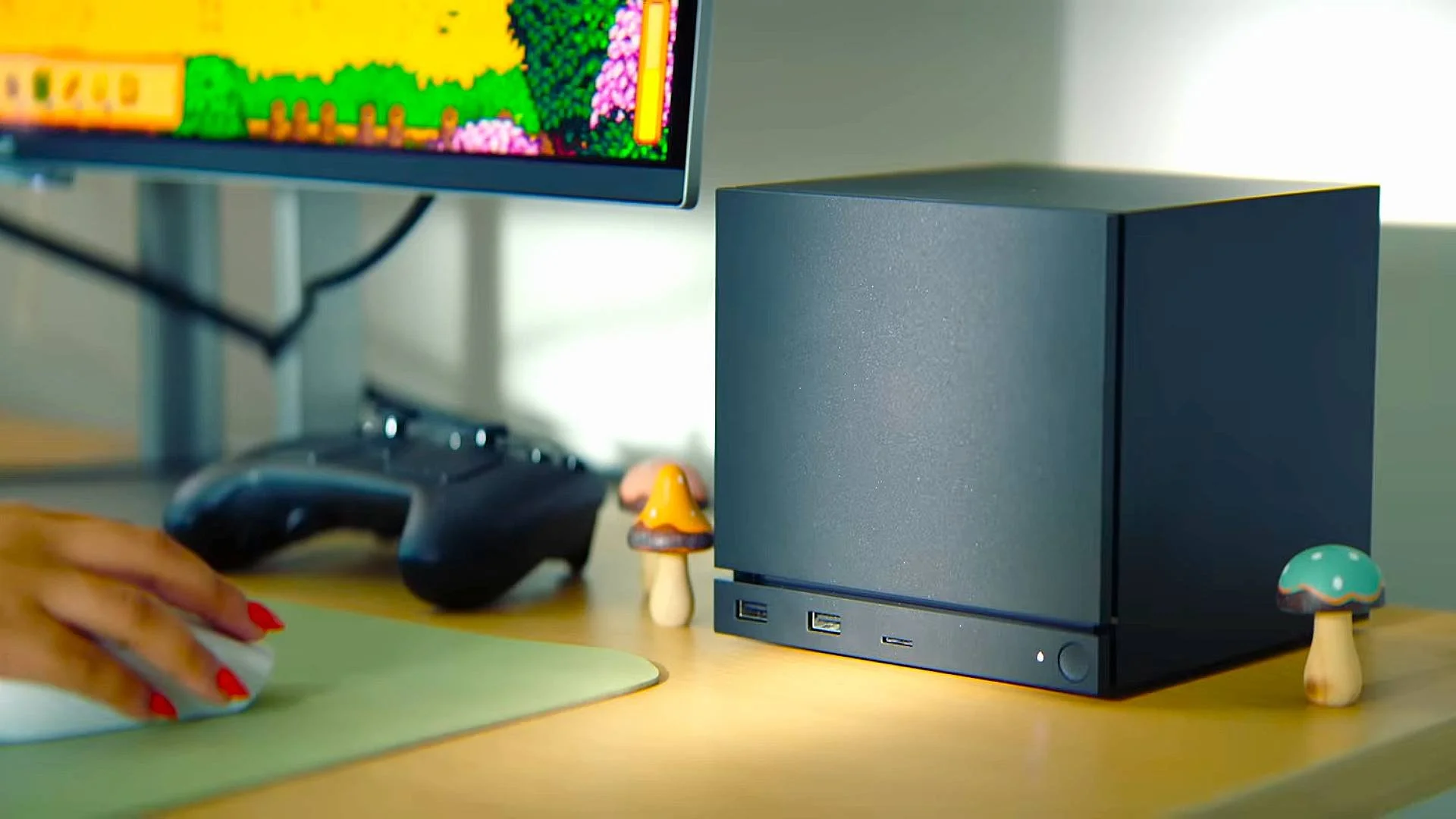
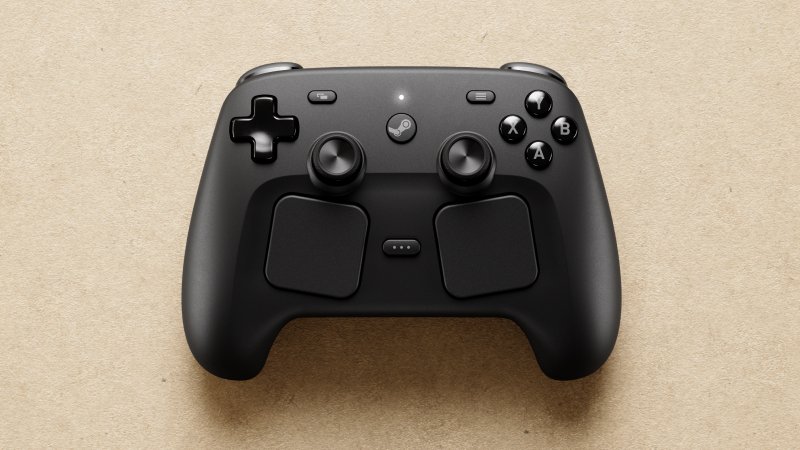
The Steam Machine will cost anywhere from $1,049 USD for the base 512 GB model without a controller to $1,428 for the 2 TB model with a controller
These prices dashed hopes for gamers who’d been estimating $600-800 USD on average following the Steam Machine’s initial reveal
Valve has also recently increased the price of the Steam Deck with the 512 GB OLED model jumping from $549 to $789 and the 1 TB from $649 to $949, while discontinuing the 256 GB LCD model which was retailing for $399
Shifting from Valve to Sony, after the most recent round of price hikes, a new PS5 will cost you anywhere from $599 USD (digital edition) to $899 for the Pro
When each primary SKU for PS5 launched, the prices were $399 USD (digital edition in 2020), $499 (disc edition in 2020), and $699 (Pro in 2024)
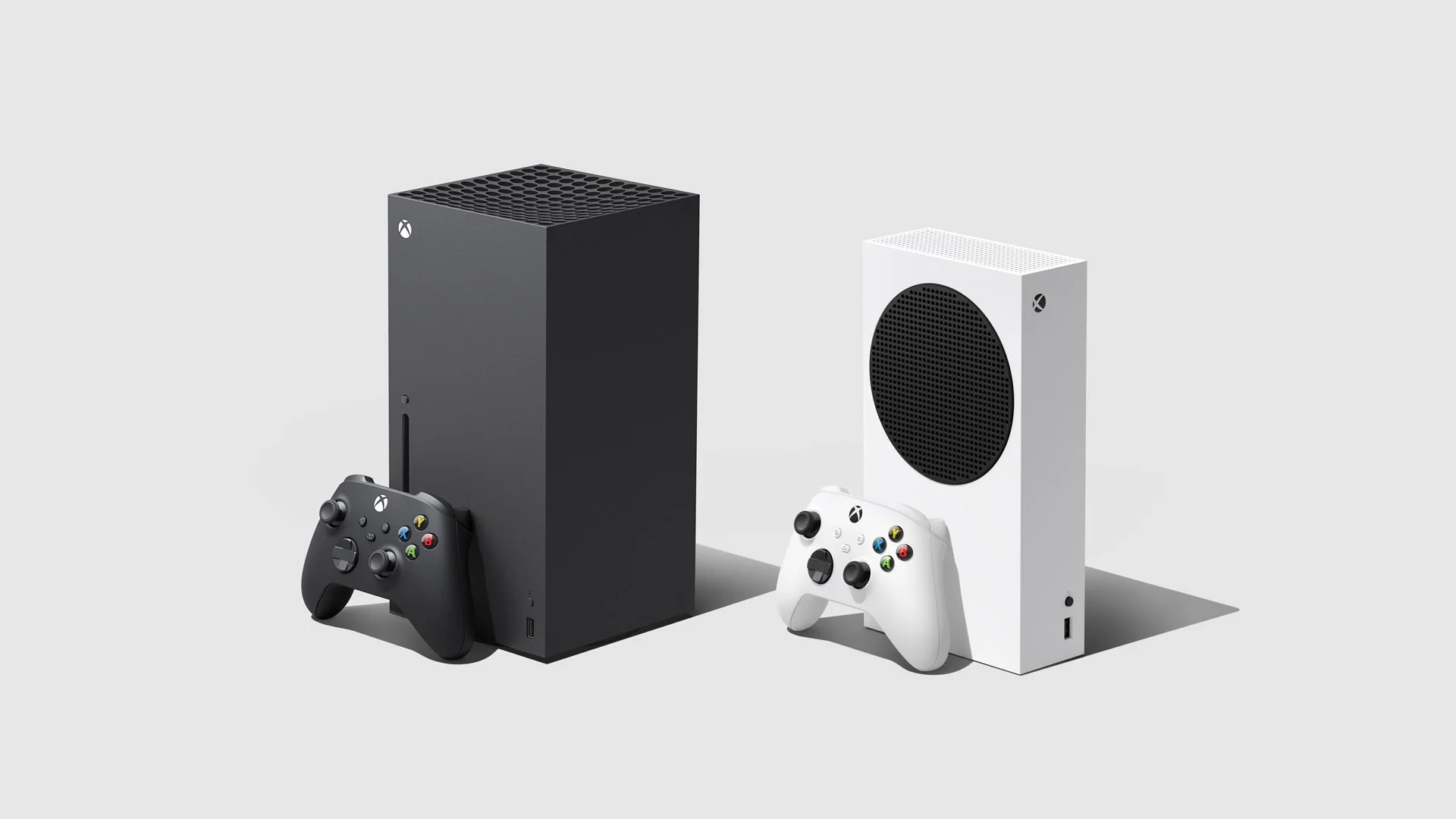
Now for Microsoft, following its latest price hikes, a new Xbox ranges from $399 USD on the low end for the 512 GB Series S up to $899 on the high end for the 2 TB Series X
At launch, the Xbox Series S cost only $299 USD and the Series X cost $499 for the base models
Nintendo hasn’t remained unaffected either. For last gen hardware, the original Switch increased from $299 USD to $339, the OLED model from $349 to $399, and the Switch Lite from $199 to $229 last August
And finally, the Switch 2 is now seeing price increases roll out by region but sticking with the US frame of reference, come September 1st the price will jump from $449 USD to $499
*Editor’s note: The day after this article was published, Xbox announced the following for their Series S/X consoles: “The price of XBOX consoles will increase by $100 USD for 512 GB models and $150 USD for 1 TB models. We will also be sunsetting our 2 TB model”
The trend is obvious: the cost of everything is going up. Even hardware that released the better part of a decade ago costs more now than it did at launch.
Why is that?
There’s a variety of factors unique to each of the brands we’re looking at with Valve/Steam, Sony/PlayStation, Microsoft/Xbox, and Nintendo.
We could talk about the health of their first-party software sales. Or the adoption rate and support for their subscription services. Or the take they get from third-party software sales. Or the install base they’ve achieved (or not) with their current gen hardware sales. Or the competitive standing of their online storefronts. Or the money they’ve invested in M&A to acquire other companies, primarily game developers. Or the money they’ve invested in other pursuits – chiefly the elephant in the room: AI.
But while each of those factors varies greatly from one brand to the next, there’s one common thread I want to pull on that’s affecting all of them right now: the price hikes underlying the price hikes that we’re seeing as consumers.
The cost of and competition for the components that each of these companies uses to build their gaming hardware has skyrocketed exponentially.
And while I won’t go into the full history and macroeconomic details of why – we all know what the main driver is: AI.
In particular, the cost of RAM and storage has sparked what a lot of us are calling “RAMageddon.” We are seeing unprecedented price increases and stock shortages globally – so I decided to do a little anecdotal experiment of my own as a gamer watching all this unfold.
Yesterday, I looked up my Amazon order history to see what it cost me when I bought an SSD to expand my PS5’s internal storage. In March of 2023, I spent $169 USD on a WD Black 2 TB NVMe SSD for my PS5.
Today, that same exact model costs $399 USD. The price is 2.36x more than it was just over 3 years ago when I bought it.
Also, I’ve watched it go in and out of stock even within the last 24 hours.
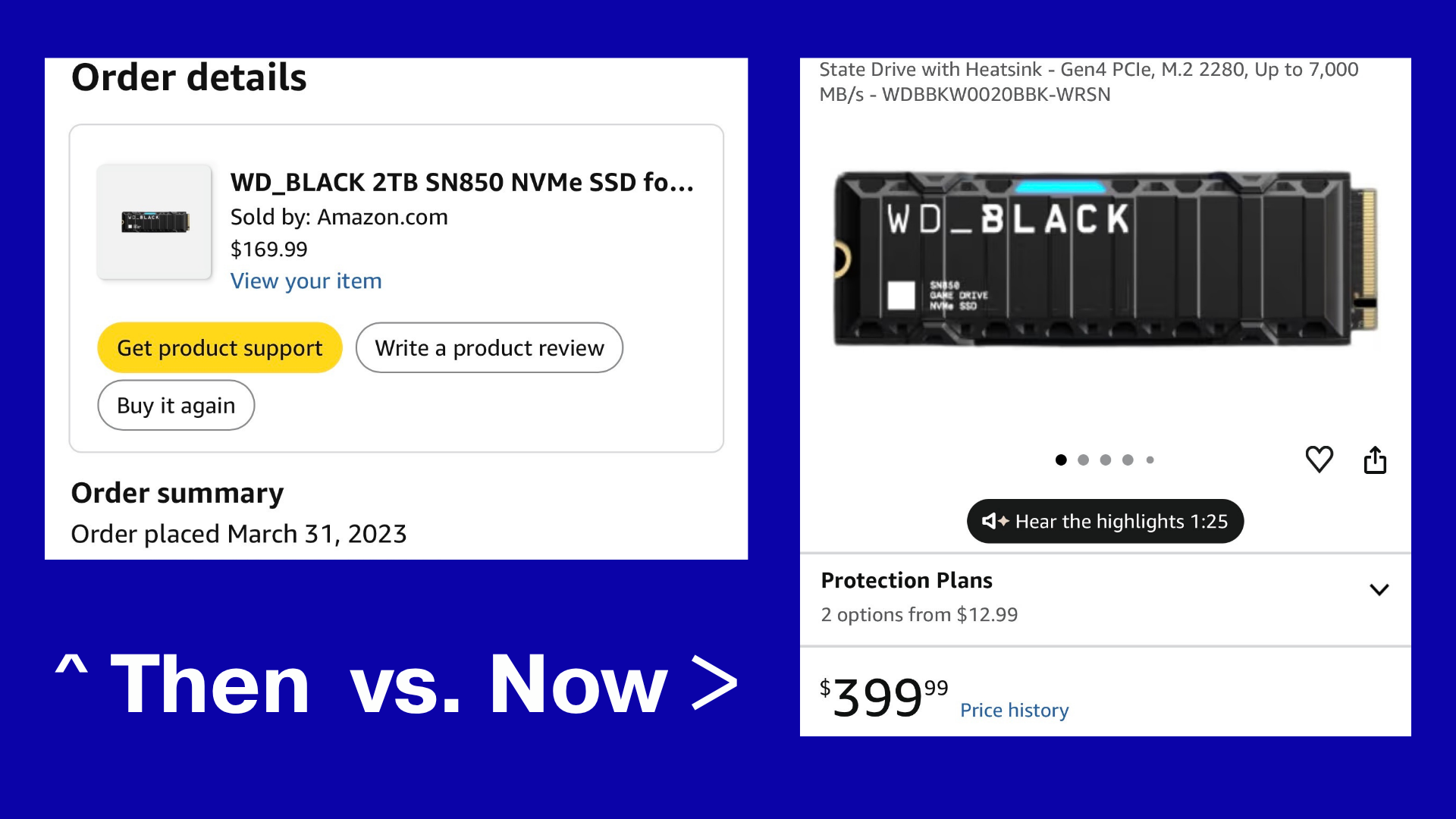
With that one example alone, you can see that something as essential as storage has more than doubled in price and is facing frequent, frustrating shortages making it both harder and more expensive to get.
Now take that little 3+ year old memory stick and plug it into millions of consoles…
…along with all their other increasingly expensive and hard to get parts.
And I think the should-be unheard of late lifecycle console price hikes start to seem a little less unbelievable.
Now, I don’t know about you, but I hate math. And I especially hate money math. So, let’s pivot and discuss a couple of the most common reactions I’ve seen online:
Player reaction #1: “They (aka console manufacturers) should just eat the cost instead of passing it onto the consumers.”
My 2 cents: In an ideal world, that would be great. But in our real, capitalist world, they can’t keep taking bigger losses. Consoles are already traditional loss-leaders, making up for tight hardware margins via software and subscription sales.
We’ve also got to be real about the health of the industry right now. While the pandemic was a massive boom for gaming, we’re currently feeling the fallout of the over-investment that happened following 2020. Most of the major market players all seem to have aimed for capital G Growth and more Growth rather than responsible, sustainable growth.
Each year we see the number of new game releases growing, but we don’t equally see the number of new gamers growing. There seems to be a soft cap on the number of consoles sold per generation (looking wholistically across all brands, not just one). What’s more, looking beyond the core console player base, there seems to be a fundamental misunderstanding of who “gamers” even are.
The hardcore gamer. The PC gamer. The console gamer. The casual gamer. The retro gamer. The mobile gamer. The F2P gamer. The variety gamer. The live service no-lifer. The AAA single-player. The lowercase i hidden gem indie lover.
All of the above are “gamers,” but no one seems to have figured out how best to message to and meet the slices of the audience that serve as the core pillars holding up their ecosystem.
That’s why you see someone like a PlayStation go all-in on live services to start this generation while fumbling their foundation as leaders in the AAA blockbuster action/adventure space and losing their roots in the AA kid-friendly, creative, action & platformer space too.

And don’t even get me started on Xbox… that’s a whole conversation unto itself reaching back to the confusion of what a console even is to kick off the Xbox One generation, the push for an always-online ecosystem, the abandonment of exclusives (starting with the move to simultaneous PC launches), the unsustainable model of Game Pass that relies on their strongest sales leaders to recoup the losses of their more creative/variety gaming endeavors, the irresponsible market consolidation under insane M&A investments…
I’ll just say this: recently Xbox published a 3% “accountability” (aka profit) margin for their business following the $80 some-odd billion they’ve invested in M&A (not to mention what else they’ve invested in R&D, failed marketing campaigns, etc.) during a generation where their hardware install base is estimated to be lagging behind their biggest competitor almost 3 to 1.
Never before have I ever been so scared for a major industry competitor that holds the livelihoods of tens of thousands of employees in their hands.
You might look at that 3% and say, “Well at least they’re in the black.”
But reality is: Line. Must. Go. UP.
In the corporate world, “meets expectations” is not good enough. Being in the black is not good enough. Even doing good is not good enough. If your profits are not demonstrably better than they were last year, you have failed as a business in the eyes of your stakeholders.
Line can’t be flat. Line can’t even just go up. Line must go WAY UP even more than it did before.
And that can’t happen when you spend more money than you make.
So to bring this back to the initial reaction to the hardware price hikes, no – at least in this world, these companies can’t just take even bigger losses on hardware while the cost of everything they’re buying to make said hardware is also going up exponentially.
Player reaction #2: “We (the gamers) are being priced out of our favorite hobby.”
My 2 cents: My immediate reaction is yes – it sure seems that way (but please stick around to read the rest of what I’m about to say because I have more hope to offer than just the surface level commiseration that all is doom and gloom right now.)
In terms of the latest and greatest tech out there, yes – a lot of people who were already struggling to hang on at the previous price points for new gaming releases may have just been priced out. The final nail in the coffin as it were, on top of the cost of everything else in the world going up, including actual daily living essentials like groceries and gas.
I’ll add here that gaming is and has always been a luxury hobby. Do I think people should be belittled for worrying about their favorite leisure outlet getting more expensive? No. Life – or at least a good one – is more than just the bare necessities. We all need sources of joy, ways to connect, and methods of expression.
But gaming is more than just the hottest, most expensive new thing on the market – so the point I want to make is that while buying new consoles on day one might be more out of reach, this hobby as a whole isn’t. It can’t and won’t be taken away from you.
I want to make this point because the reaction to things like the reveal of the Steam Machine’s price in the hyperbolic social media echo chamber makes it seem like the choice is “buy the big new thing now, or bust.”
Since Monday’s announcement from Valve, I’ve even seen people already bemoaning the inevitably high cost of the as-yet-to-be-announced PS6.
So I want to take a step back and look at a wider view of not just today’s but tomorrow’s situation too.
First of all, I want to start with a point that a lot of hardcore console audiences have been complaining about in recent years: cross gen game releases.
A lot of people like to harp on the PS5 and Xbox Series X/S as lacking true current gen exclusives. But that complaint could actually be the saving grace for a lot of gamers worrying about the pending price hikes on hardware.
Something that’s different about the current hardware generation vs. all those that came before is the technological leap between systems. It isn’t nearly what it was when we were moving from 8 or 16 bit to 3D or from standard to high-def.
While we haven’t hit a true graphical ceiling – it does loom closer overhead than ever. PS4 to PS5 has already shown immense legs for supporting cross gen releases with games that don’t have such massive differences as to feel unplayable on the older gen hardware.
This will be even more apparent in the leap from PS5 to PS6. Will the PS6 be more powerful and have more cool new features to support raytracing or path-tracing and take advantage of AI upscaling? Sure, almost definitely. But will PS5 games feel old, outdated, and nigh unplayable anytime in the next one or even two decades? No.
We’ve hit a point where the technical presentation and player quality of life in current gaming releases will be fairly evergreen and sustainable for years to come.
The handheld/hybrid console space has a bit more room for evolution than home consoles so we’ve seen more of a leap in the Switch to Switch 2, but even with that I don’t think we’ll see third-party support evaporate for the Switch anytime soon (thanks in no small part to its massive install base).
So while first-party games will eventually have to move on after the first couple years of a new console’s lifecycle in order to differentiate the platform as system-sellers, third-party cross gen support will likely be even longer heading into the next generation compared to what we’ve already seen in the current gen.
This means players won’t be missing out on as much as they would have with the technical leaps limiting cross-gen support in hardware cycles past. It’ll also mean that by the time most average players do feel the need to upgrade, there will likely be more affordable entry points.
Even if brand new console prices don’t follow the traditional model of decreasing in the years post-launch, there will be holiday sales and refurbished/used options for gamers who need to find ways to bring down the cost.
So day one for the newest of the new may be out of reach – but there are now and will increasingly be other options for you to stay in the hobby that you love.
But I’ll pivot here to also add that I think there are huge potential growth opportunities for any of these platform holders and industry leaders to make a push for more affordable gaming options.
Traditionally in the console and PC space, the chase has been for prestige and power. You position your hardware by being the strongest with the best specs and the coolest looking graphics.
It makes sense – most consumers buy with their eyes first. No matter how many times we’re told not to, we all judge books by their covers.
But it’s already getting harder to impress the wider, more casual audiences with cutting edge graphics alone. If you need a Digital Foundry video to show you what the difference is between Version A and Version B of the same game running on different hardware, then you’ve reached the point where all but the most hardcore audiences are going to 1. Be able to the tell and 2. Care.
So rather than purely being the most powerful, I think the next opportunity is to be the most optimal.
On the tech side, this means being able to support a whole range of games and their underlying specs. We’ve already seen devs moving towards optimizing their games to support lower-end PC hardware if not at launch, then heavily in their post-launch support. We’ve also seen incredible legs for not just the third parties, but cross-gen first-party software output on the console side too.
And on the consumer side, this means being able to strike the best balance between cost and convenience.
Rather than purely being the most powerful, I think the competitive edge will increasingly hinge on making games look, feel, and run as good as possible on the most approachable hardware entry points possible. There will be increasing appetites for affordable options and optimization that doesn’t adhere to the limitations of the rigid console generations of old.
We’ve already seen companies like Google and Xbox make some – albeit fumbled – attempts at this with things like Stadia or the “this is an Xbox” campaign.
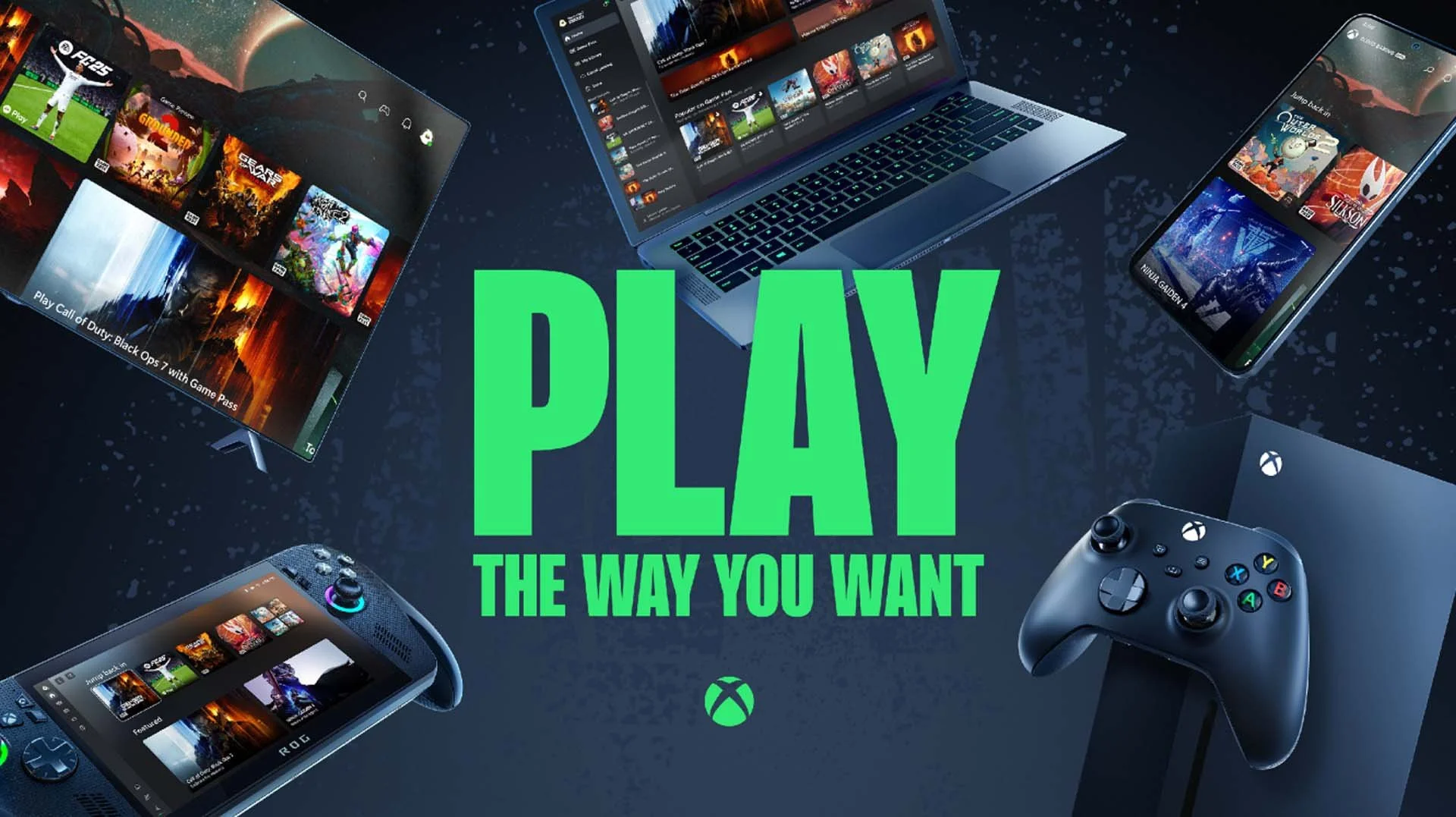
Now please – stay with me here, I know those are both much maligned and laughed-at failures in our community but I promise I do have a point.
While these ideas may have come too early (in the case of widespread cloud gaming adoption) and their messaging strategies were certainly misaligned with their core audiences, it wasn’t the underlying principle of these platforms or service models that was wholly at fault.
Think about it:
Anywhere. Anytime. Easily available. Affordable and approachable gaming options. Reducing the friction for getting into or even staying in and growing the ways you’re able to pick up and play games.
That’s neither an impossible nor an unappealing future. It’s a value proposition that can and will speak to a lot of different pieces of the gaming audience pie: Cloud gamers. Mobile gamers. Younger generations of gamers raised on tablets or smartphone gaming. F2P/live service gamers. And even console gamers – especially those looking for/needing more affordable entry points than the latest, greatest, most cutting-edge tech.
It seems like a hard sell for a lot of console gamers who are either affluent or at least comfortable enough to have traditionally been able to afford the newest systems at launch.
But cost and convenience will speak loudly in the entertainment space – gaming included. Especially now as the technical jump from one generation to the next becomes more incremental and less revolutionary. Optimization is more tenable than ever, service models are evolving, and technologies like the cloud will continue to look more and more viable too.
So to bring this back to the initial question: Are we being priced out of gaming?
In some ways, yes. At least with how things look right now.
But in all ways? No. There are options, and more to come on the horizon. Things are difficult right now – for everyone, from gamers to the developers feeling the ramifications of these “economic headwinds” as we like to sanitize and call them. Layoffs abound, the cost of living skyrockets, and negativity spreads like a plague online that seemingly has no cure.
But while I can’t fix everything, I can at least step back. Reflect. Offer a discussion. Look at options. And hopefully, fight back against some of the despair with at least a little bit of hope for my fellow gamers.
Sincerely,
Michaela