Maude Tidbits To-Go (Feb. 2026)
AI Art, Leaky Journo’s and Critics who are Just too Good at Games
Hi, my name is Maude. And I yap about games too much.
But with this post, I wanted to try challenging myself to write some snapshot-style thoughts. The topics are things that I considered but didn’t have the time or wherewithal to post as dedicated, in-depth articles within the past month or so. The concept was inspired by BornforMedia’s “scraps” that he does as a roundup at the end of his reviews so if you haven’t checked those out, consider this your recommendation to get on that.
That said, these “scraps” are a bit longer than bullet points because even shortened and in round-up form, I’m still me so each of these “stories” has a bit of meat to them. I’m not trying to aim for a sustainable monthly cadence with this experiment, just a “when I have stuff to say, maybe try this format” kind of deal – so you let me know if you enjoy this sort of brain-dump newsletter and if you have any feedback for the next time! (…assuming there is one.)
Here are the headlines:
In my old age, I increasingly dislike leaks (ft. Leaker of the Year)
Gaming journalism’s integrity died for the click (ft. gay Nintendo)
Metacritic for Critics: Not everything needs a score for you to assess its quality
DQVII, Squenix, & Accessibility: One step forward, another step back
AI art is an oxymoron
In the last edition of Dear Gamers (the completely random epistolary blog I do on a schedule that can only be described as “sometimes”), I wrote about AI, AI generated content, content creator integrity, and content consumer accountability. In the weeks since then, I’ve had (unsurprisingly) several more conversations around AI – specifically, GenAI.

And something that I didn’t explicitly emphasize then but have repeatedly said in conversations with mutuals since is the following:
AI art is an oxymoron.
It does not and can not exist.
Art is what happens when a human being tries to express a thought or a feeling through a medium of their choice. It’s also what happens when another human being observes and reacts to that act of expression.
AI can make something. But that something is not art. It has no feeling. It can’t express emotion or original thought. Sure, it can produce an image or a poem or even a facsimile of a video game when prompted, based on the material that’s been used to train its algorithms.
But that output is not and never will be:
Art.
Just some bars I wanted to drop, and I apologize if you’re one of the mutuals that’s already heard this from me so it’s all repetition to you (AndresPlays and MarcGriffiths come to mind). But it’s something I think about a lot (obviously) and something that I think more people should hear.
In my old age, I increasingly dislike leaks (ft. Leaker of the Year)
Dear Gamers, it’s February. And you know what that means – it’s Nintendo Direct season. And you know what that also means – it’s leak season.
Pretty much every year, Nintendo has some major Directs that land like clockwork – February (or sometimes March), June, and September. They’ve honed the formula for announcing updates about their upcoming pipeline of software releases throughout the Switch generation, and that’s unlikely to suddenly reverse course now during the Switch 2 generation.

But impending Directs, State of Plays, not-E3 season, etc. means the industry leakers start to get extra busy. The most notable name that comes to mind is NatetheHate – who even just won the Gaming Leaks & Rumor Subreddit’s “Leaker of the Year” award for 2025.
Because that’s a thing now.
And I have… a lot of issues with it.
Not that I’m trying to direct any “hate” at Nate himself. There’s a reason people like him exist and garner so much attention. It’s exciting to get the inside scoop on the hobby we all love: gaming.
But my issue with leaks is twofold – one side more serious than the other.
First, the less serious is that I just don’t like having the surprise ruined. I genuinely love and always remember the true surprise reveals that smack us in the face with a hype trailer during a showcase. And on the flipside, I also don’t appreciate the false expectations or raised hopes that stem from leaks that don’t materialize.
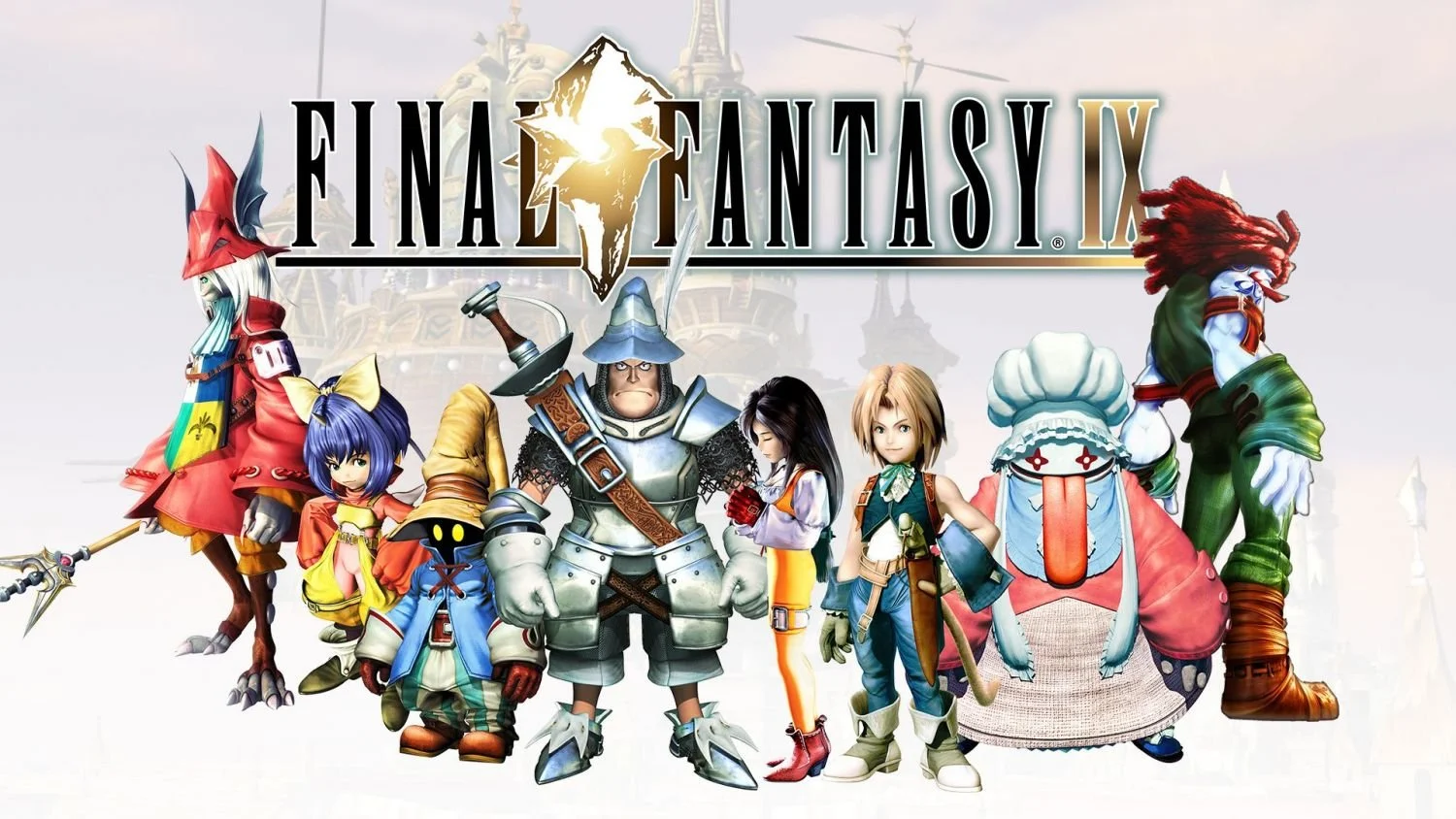
A big example is Final Fantasy IX from the Nvidia leak. An FFIX remake has long been rumored, and NatetheHate himself has even been asked about it on numerous occasions. On one such occasion in 2025, he said, “As of last check it remains in development, to my knowledge; but I need to a do a fresh check & see what a more current status is – as I did hear a month or so ago that it was in trouble & possibly cancelled. I only had one source on the cancellation possibility and need to verify the info further.”
Who is that source? What happened when he checked? Was he able to verify with other sources? Is the source trustworthy, seeking clout, spreading misinformation knowingly or otherwise? What kind of development trouble? When did the project enter active development? Who’s directing it? Was it truly cancelled internally? If so, why?
Every single one of these are questions we can’t answer – because leaks and rumors are not trustworthy sources of independently verifiable information.
And yet, every “journalist” will report on them as if they are sources that can be identified, verified, and replicated for redundancy – all basic principles of good journalism. And here lies the second (more serious side) of my issue with leaks.
I won’t name names, but if you google “NatetheHate” and “FFIX” you’ll see multiple headlines that read, “FFIX Remake may be cancelled.”
And the sole “source” cited in these articles will be one leaker who said he may have heard something from someone.
That – is NOT – good journalism.
I get why they do it – engagement, being first, being flashy – all those things matter more than the truth in the age of social media (*shakes fist at cloud*). I know my curmudgeonly old ass ain’t saying anything new here – but I wanted to say it nonetheless. And while I’m at it… I have a tangent for this tangent as the next Maude tidbit.
Gaming journalism’s integrity died for the click (ft. gay Nintendo)
Okay. So for context:
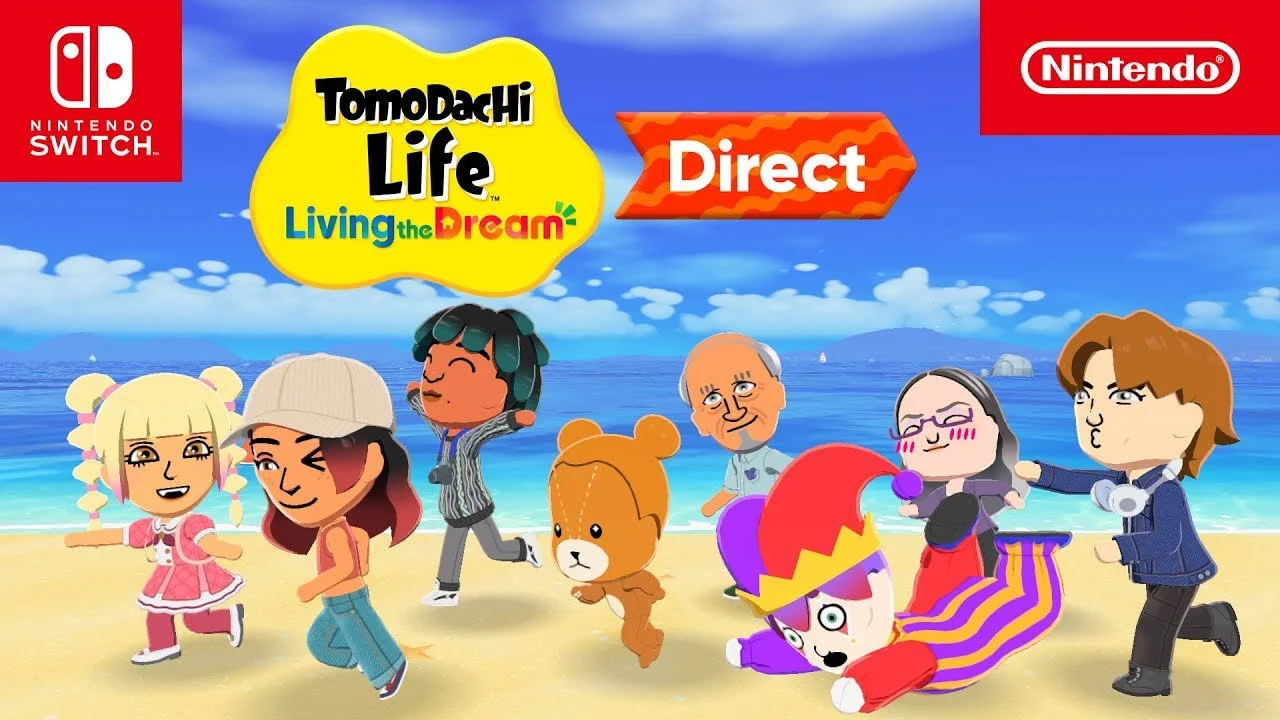
Nintendo held a dedicated Direct last week for the upcoming Tomodachi Life: Living the Dream. The broadcast lasted for just over 20 minutes and included a newly announced release date for April 16th. The Direct covered several key features for the game spanning Mii customization, character relationships, shops, locations, and activities – some of which even seem to take inspiration from the success of the last Animal Crossing game.
Normally, you’d assume the dominant headline would be the exciting new release date just a matter of weeks away.
But NOPE. And it’s all because Nintendo is gay now.
Normally, as a registered lesbian myself I’d smile and move on with my day. But as a writer, something really bothered me about this whole situation:
The first and most popular headlines from content creators and game journalism outlets all read the same way: Tomodachi Life to include gay and nonbinary options. Nintendo is GAY. We’re getting woke Nintendo in 2026.
Now, to be honest it IS pretty noteworthy news. The lack of same sex options in the previous Tomodachi Life was apparently feedback raised by the community and Nintendo responded, not just with a statement but with actual concrete action here in the sequel.
My problem is NOT with gay Miis. IMO, the more gay Miis, the better. Hell, even the week before all this happened I had posted on BlueSky that playing Fire Emblem: Engage was a pleasant surprise as I found myself experiencing the most queer-friendly characters and storylines that I’d personally ever encountered in a first party Nintendo IP.
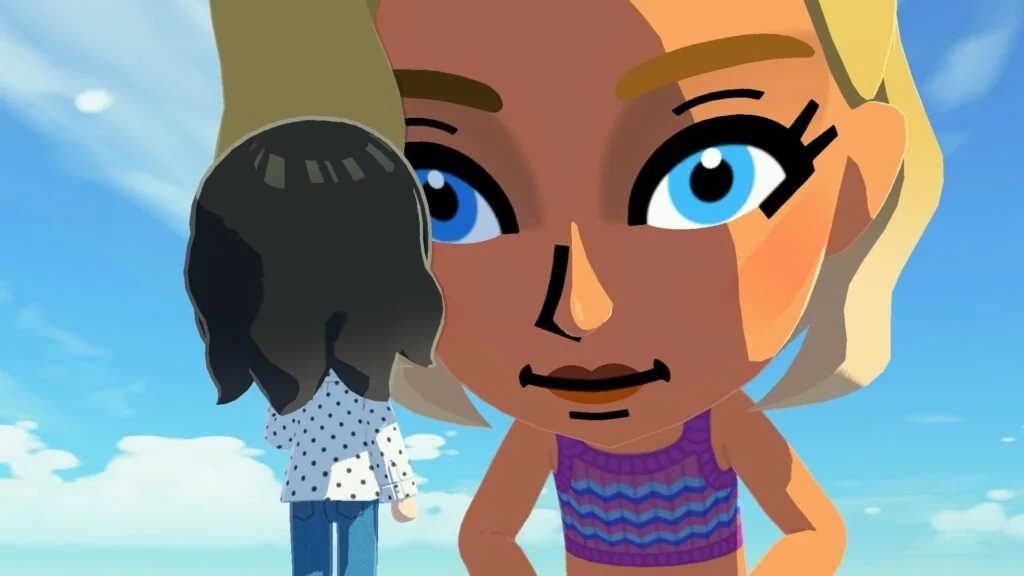
No, my problem is with the headlines grifting for engagement. The hope for rage bait and controversy. The reduction of queer culture into a marketing tool or social media ammunition. The usage of real, tangible progress in representation and a developer responding positively to their audience all to drive more clicks to sites beholden to ad revenue and mandates for unrealistic performance metrics.
Basically: I’m not mad. Just disappointed that the world we live in is one where the “narrative” rules the day and the click is King – morality, empathy, and integrity be damned.
Metacritic for Critics: Not everything needs a score for you to assess its quality
And speaking of integrity, I guess I’m not done picking bones with that subject yet either.
To set the stage for this conversation about gaming critics and integrity, here’s what happened: Highguard released.
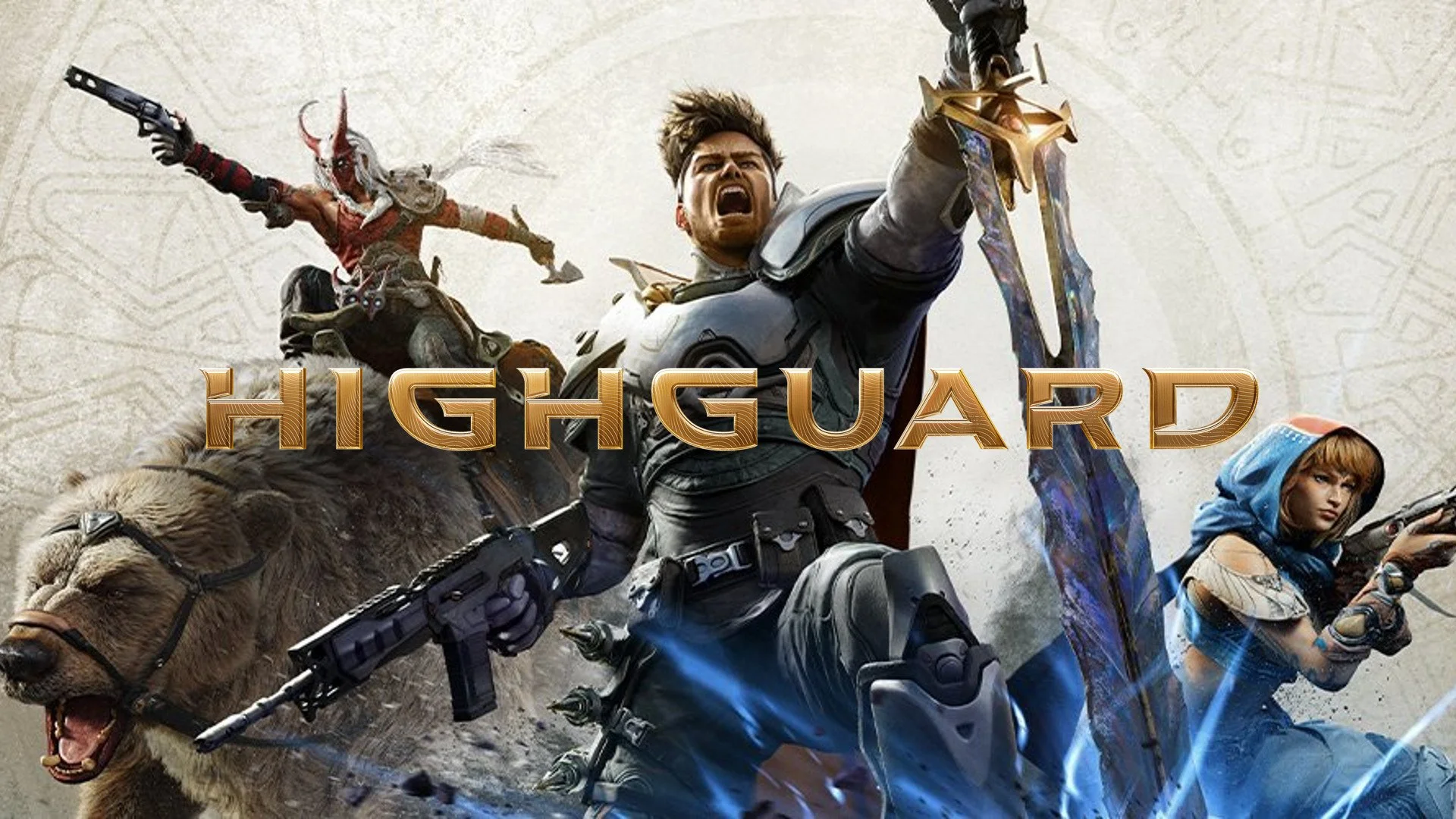
Earthshattering stuff, I know – but to be serious, the game launched into a whole hurricane of constructed controversy because gamers were mad at its reveal and Geoff Keighley.
The words I’m saying still sound crazy out of context, but basically: a multiplayer online shooter that looks like it borrows from a bunch of other multiplayer online shooters was the final reveal at the 2025 Game Awards. How dare.
Doesn’t Keighley know that everyone hates generic multiplayer games they haven’t played but can already pass judgment on? I’m partially kidding (at least my tone is) but the point is that while multiplayer games have the largest general audiences on the planet, they’re not the primary vocal audiences turning into shows like The Game Awards.
There’s a whole discussion to be had about the slices of the gaming audience – the casuals who play their one or two games a year, the Gamers who play a bunch of games a year, and the really really bought-in Gamers who not only play the games but also consume content and talk about them online (…as well as the “gamers” who just do the latter part and skip the “playing”) – but let’s table all that for another day.
Today, let’s focus on what Highguard’s reception prompted Swen Vinke, head of Larian aka the Baldur’s Gate III studio, to say.
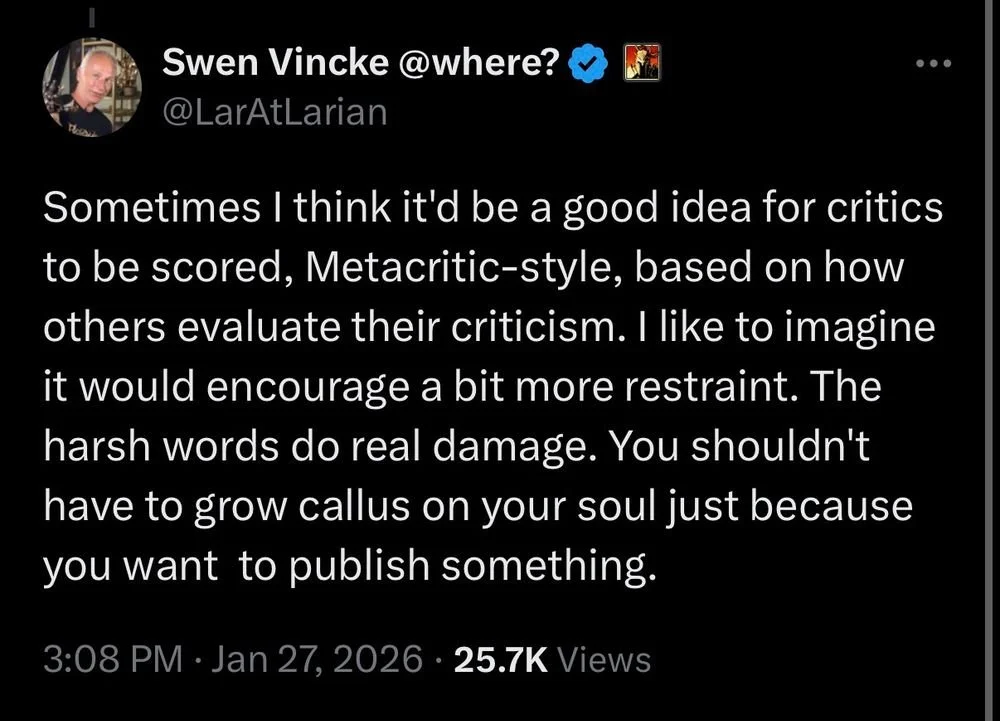
I won’t recap his entire message that he had to share not once but twice (because considering his words wisely is a lesson Vinke seems to be learning multiple times over of late…). For the most part, he seems to have intended well with a general sentiment you could summarize as, “Shitting on something someone else makes feels like shit. Good criticism is valuable, but hate is not.”
But one thing I will quote directly because it sparked a whole new rage bait fest of its own is this:
“Sometimes I think it’d be a good idea for critics to be scored, Metacritic-style, based on how others evaluate their criticism. I like to imagine it would encourage a bit more restraint. The harsh words do real damage. You shouldn’t have to grow callus on your soul just because you want to publish something.”
On the one hand, I can see why this sparked some outrage. He’s basically saying a schoolyard, “Well how would YOU like it” to the big bad bully gaming critics.
But on the other hand, he has a point – although I see it less as a problem with true gaming critics and more so the critical gamers with a megaphone online. People who post their summation and verdict in the court of social media, condemning a Highguard to the lifetime sentence of being Concord 2 while knowing nothing about it other than “I wish the Game Awards trailer was a single player game I was interested in and also fuck Geoff Keighley for being arrogant about it on Xitter.”
But I have my OWN point and it’s this – we don’t need a Metacritic for critics. We need what I called for in that AI and accountability post I referenced earlier: we need to use our own brains, assess the source of the content we’re consuming, and practice good media criticism online – even if you aren’t signing your W2 as a video game critic.
You know (or at least I hope you do) the quality of the reviews and reviewers you’re engaging with. You know the difference between a Steam review that says “Played 2 minutes. Game is ass” and a 20-minute edited video essay explaining a game’s pros and cons and how they ultimately shaped that reviewer’s experience.
You should always engage with multiple sources – ones you enjoy, as well as ones you aren’t familiar with and maybe don’t even agree with. You may not have the energy for it every day, but a bit of cognitive dissonance is good for developing your world view. Consume perspectives outside your own. Don’t just lean into confirmation bias. Challenge your own assumptions and practice supporting your own arguments.
Good gaming criticism – not the noise of rage bait online from people who have not and never will play the game they’re raging about – is extremely valuable. It helps devs understand what worked vs. didn’t for various types of gamers. It helps consumers gauge if a product is a good purchase for them or not. It helps push tech and innovation and accessibility forward.
So please. We don’t need another database with arbitrary numbers that give scores for people to argue about. Instead of calling for Critic Metacritic, just use your brain. Evaluate the source of information you’re seeing, understand the difference between fact and opinion, recognize when your emotional investment spikes, and get excited to experience perspectives that you would never have considered on your own.
DQVII, Squenix, & Accessibility: One step forward, another step back
On the day of writing, the Dragon Quest VII Reimagined reviews are dropping – and the number one point of negative feedback boils down to the game being too easy.
Now, I have ZERO issue with that. Like I just said, honest criticism helps devs gain insight into how audiences receive their games as well as helps prospective players decide if this is a game they want to spend their time and money on.
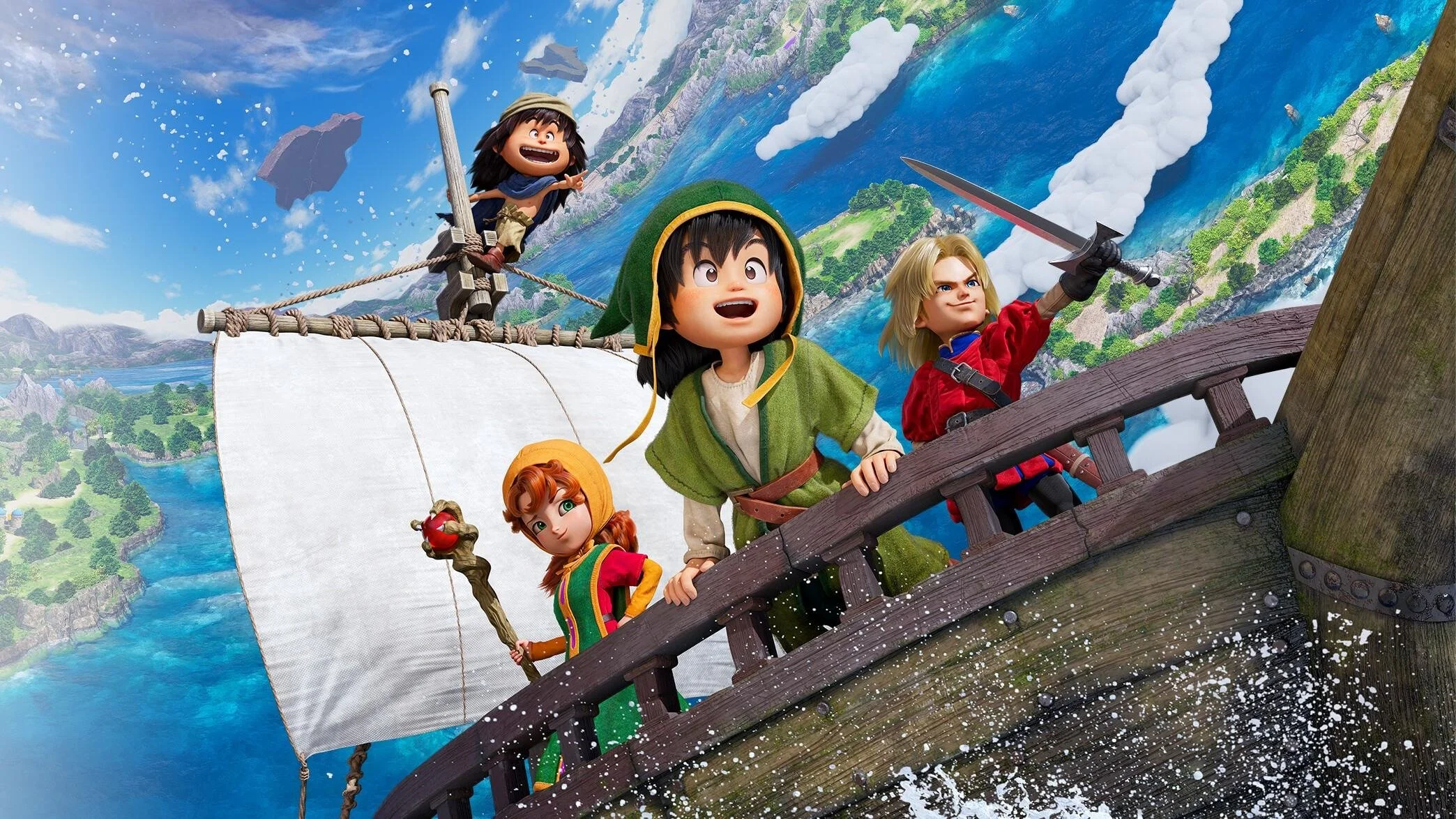
But something I want to ruminate on is the idea of options.
I’ve only played the DQVII demo myself since the full game isn’t out yet, so I can’t speak to the full difficulty curve or even 100% confirm what options are in the full build of the game.
But I can confirm that the game has several franchise-first difficulty options that go beyond “easy, normal, hard” by letting you decide things like whether or not you’d like your party to heal after every battle. I can also confirm that the game is much more forgiving than classic Dragon Quest games/JRPGs since it puts save points that fully heal your party at the start or even middle of dungeons as well as right in front of boss fights.
While all this is great on the surface, the trick I think Square has missed is that while they’ve implemented some options, they haven’t implemented enough to satisfy the wants and needs of a large player base (one that they hope to grow even larger, mind).
They’ve done a pretty good job of adding options to make the game easier (aka the tailored difficulty modes/assist options, the increased autosaves/save points/full heals, the abundance of items and even apparently characters that resurrect after battle rather than dragging behind you in coffins til you visit a church like in other Dragon Quest games) – but they haven’t done much for the gamers who want more of a challenge, not less.
On the one hand, you could just say “don’t use the full heal statues before a boss” if you want the old school tension of surviving the gauntlet of a dungeon, only to arrive at a boss partially depleted. On the other hand, players shouldn’t have to actively ignore a game’s systems in order to manufacture the experience they want to have. Hence: options.
For example, DQVII’s new UI shows you if the skill you’re selecting in the battle menu will target an enemy’s weakness or resistance. That’s amazing quality of life – but it’s always on by default with no option to change it.
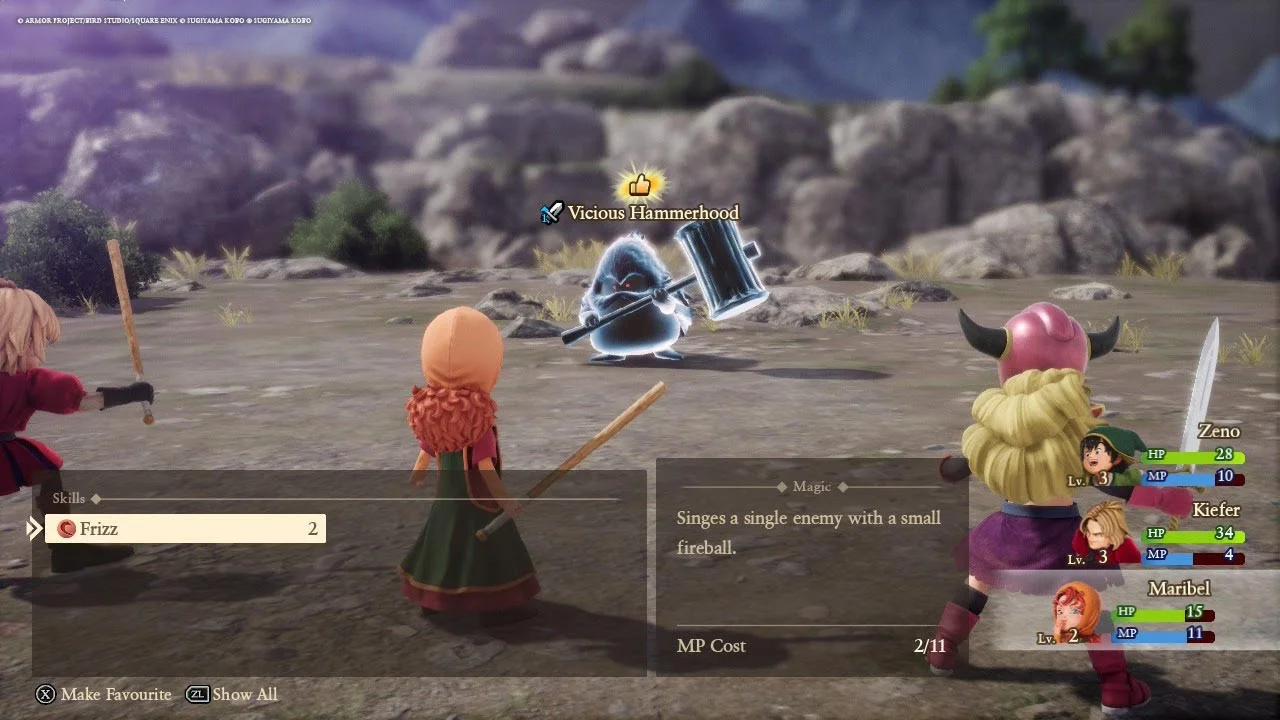
Personally, I would love to have the option to make it so that indicator shows up after you discover an enemy’s affinities by striking them first. It ups the challenge the first few times you encounter new monsters and also helps with the narrative continuity of not omnisciently knowing what new enemies are strong/weak to.
This is just one example of how options let players tailor the experience to what they want and need. If you want/need the assist, have the option to turn it on. If you want the more traditional and challenging experience, have the option to turn it off. More options means more players enjoy more great games and that’s a massive W.
To bring this back to the reviews, I don’t think the critics are wrong to say they found the game too easy. It’s great feedback for devs and fellow gamers alike so long as it’s coming from a genuine place of conveying an experience the reviewer had.
And to push this conversation beyond just the realm of the game’s easier difficulty, let’s talk about how those options affect accessibility since that’s a huge focus for us here on this site.
First off, I want to say that YES – difficulty options play a role in a game’s accessibility. But a game being “easy” is NOT the same as a game being “accessible” – not by half.
For example, let’s say that DQVII’s bosses don’t hit hard enough to make you strategize your buffs and debuffs as carefully as you would in other games like the recent HD2D remakes. But does it matter how easy the combat curve is if the text is too small for you to read the dialogue, menus, and tutorials in the first place?
One thing I personally noticed as a glaring issue in my 4 hours with the demo is something that Square has CONSISTENTLY failed to account for in their games: text size. The text size is abysmally small for most things in DQVII and there’s no option in the menus to fix that. One thing they do include in DQVII is a FOV setting that lets you choose near vs. far distance for the camera when exploring which helps with some visibility needs, but does absolutely nothing for others like the text size issue.
On one hand, the new difficulty settings and things like that FOV option are great to see from a company that hasn’t exactly been a pioneer of accessibility. If anything, a lot of accessibility in Square’s games like DQVII, Final Fantasy VII Remake/Rebirth, and Final Fantasy XVI seems to come from their desire to make their games less punishing on players who might not engage with them otherwise (either because they’re trying to reach non-JRPG fans or JRPG fans who prefer turn-based vs. action etc.).
But just because combat is easier in terms of damage dealt/received, that doesn’t make it accessible.
I’m often left feeling like it’s one step forward, another step back with a lot of the options in Square’s games and how they relate to accessibility. I’d like to see them show as much concern for all aspects of accessibility for blind/low vision, deaf/hard of hearing, motor-impaired, and cognitive-disabled players as they do for the perceived difficulty of the modern entries in their biggest blockbuster franchises.
Wrap Up
If you read all or even just one of these snack-sized stories (at least relative to my usual yammerings), thank you for making it this far! I’m still considering how much I like this format and what kind of value it offers to a reader, so please let me know what (if anything) worked for you and piqued your interest.
Heck, if you’re a regular here and it tickles you, feel free to give your Maude To-Go experience a rating out of 5 ketchup packets (iykyk).