
The Rogue Prince of Persia Review
Dead Cells is a special game. It is rare to find a list/ranking of roguelites/metroidvanias without a mention of Motion Twin’s masterpiece. I rarely double-dip when it comes to game purchases, but somehow (that’s a lie - I know exactly how) I have six (6) copies of Dead Cells. I even have a vinyl of the soundtrack, and I do not even have the means to play it. Sure, it was not the first of its kind, but for me, it was the title that got me hooked on the genre. “I thought this was The Rogue Prince of Persia review?” Yeah, yeah…Around 2019, Motion Twin formed Evil Empire as a way to work on a new title and not abandon Dead Cells. Following this, there were several free and paid DLC for the game, all well received. The point I am moving to at a glacial pace is, in Evil Empire, I trust. Let us see what they can accomplish in the same genre with a different IP.
The Rogue Prince of Persia is the billionth entry in the series (it’s closer to 20, but numbers don’t matter after 5 - it’s a rule, I think). While the stories are largely disconnected, this is the fourth entry to take place in Ancient Persia (as opposed to Medieval Persia). This is the first title since Ubisoft took control in 2001 to not be developed internally at Ubisoft (excluding mobile titles). It is also the first Ubisoft game to be released on Steam on Day 1 since 2019, and the first to be released in Early Access.
STORY
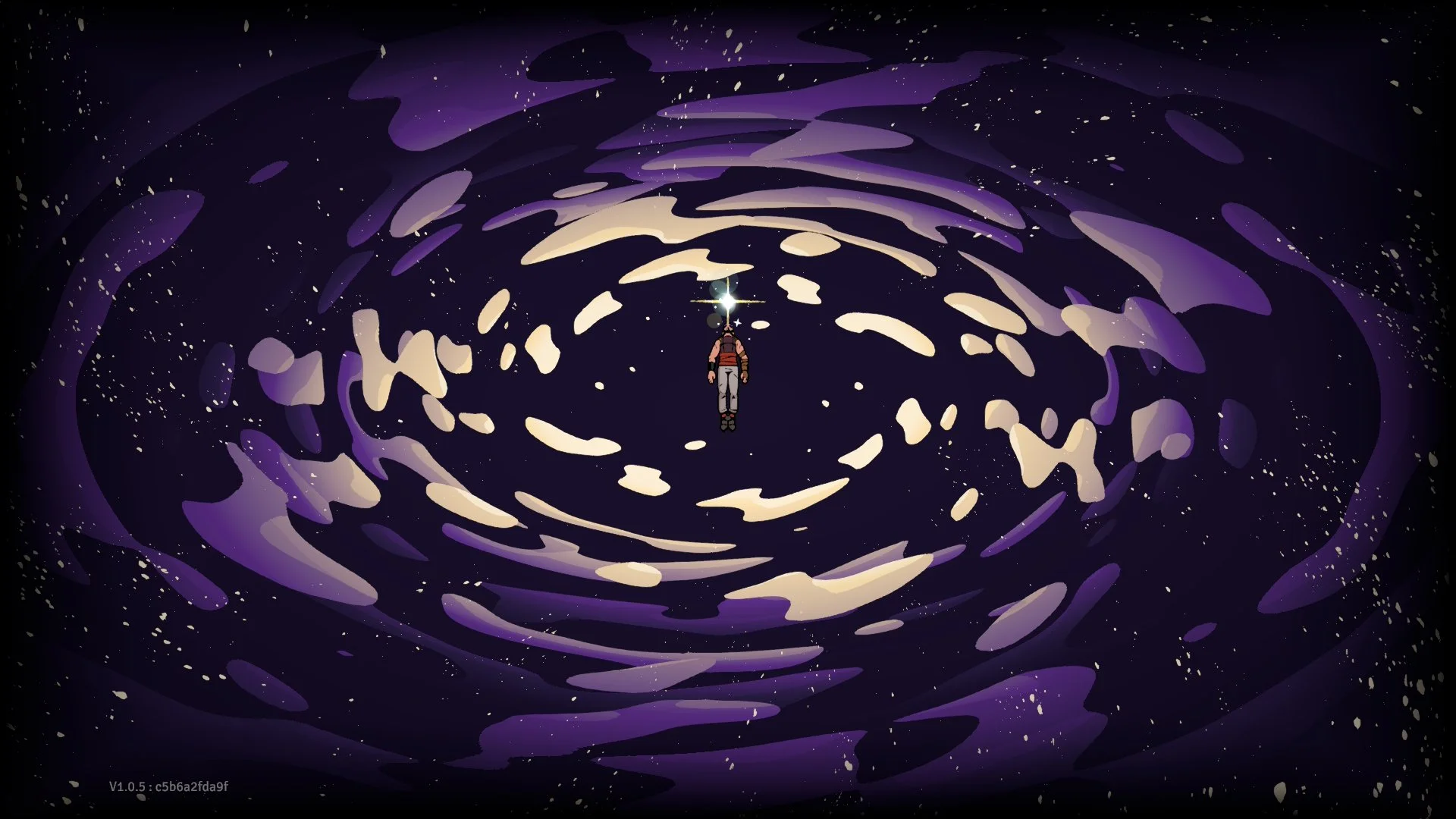
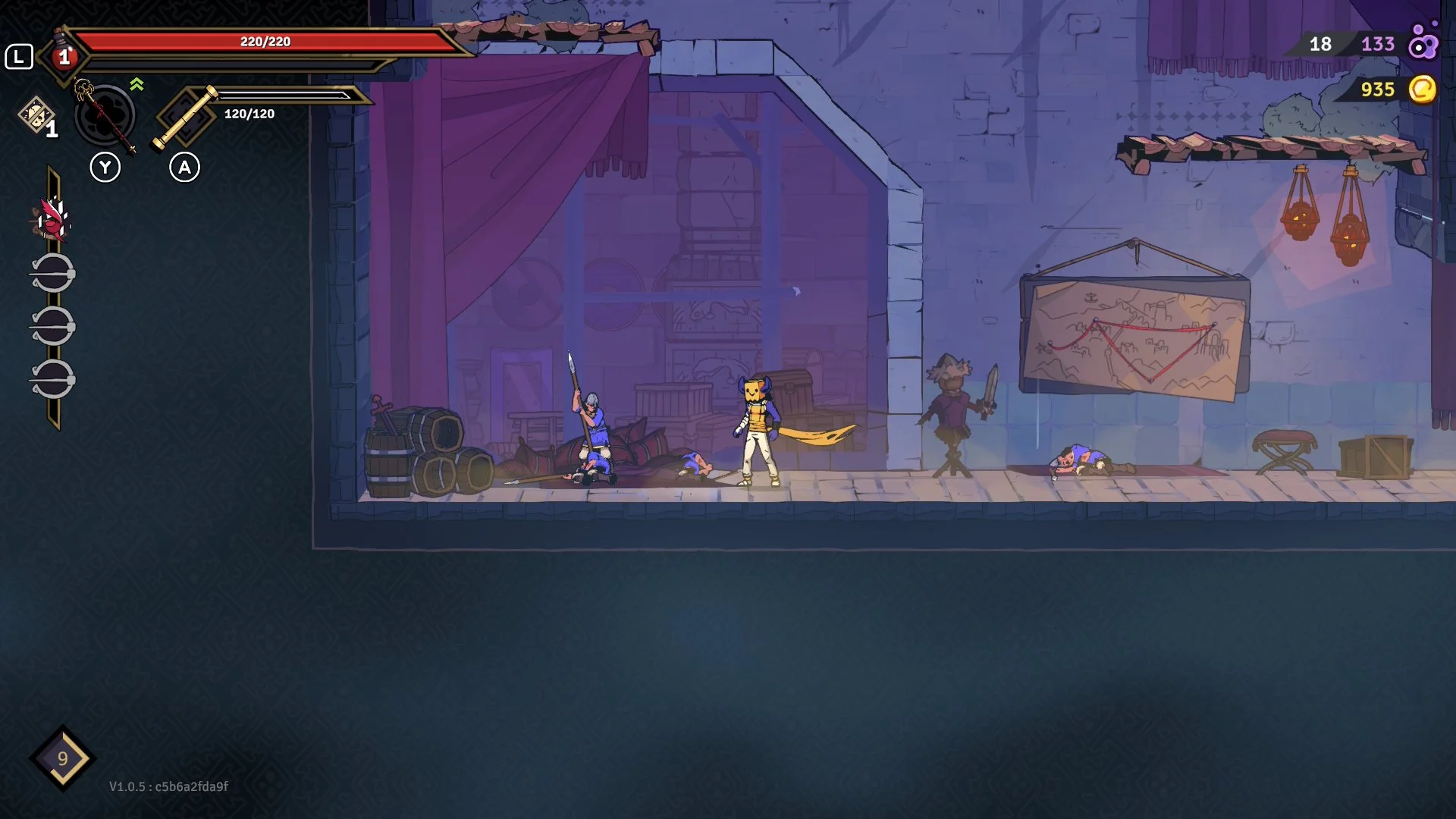
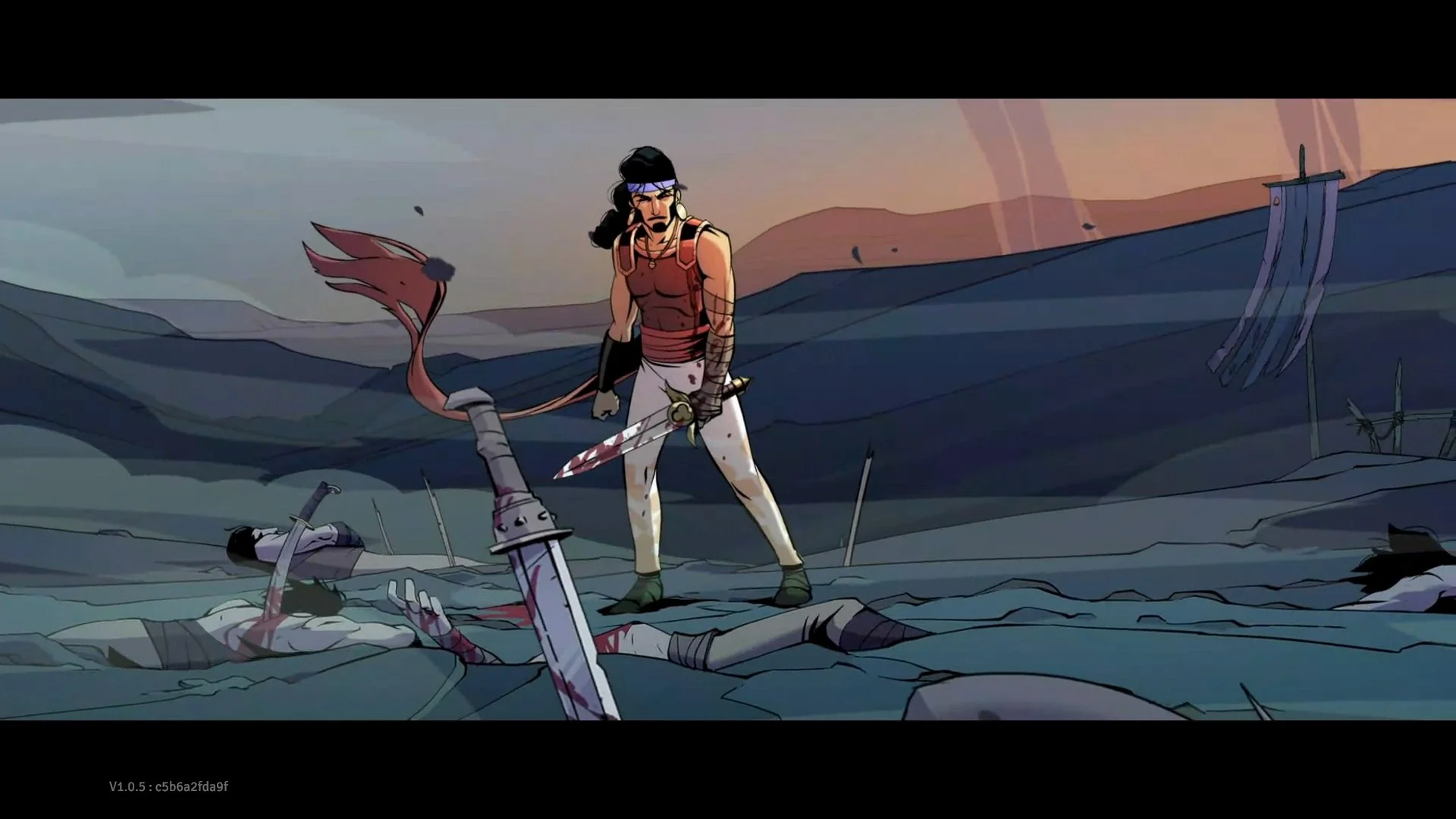
You play as an unnamed prince who must save his fallen city from the Huns and their chief, Nogai. If the title was not enough of a dead giveaway, this is a roguelite. Our titular character wears a magical pendant, or bola, that revives him upon death at “The Oasis,” which serves as the central hub for all your gameplay needs. While generally taken for granted, it is refreshing when the loop portion of the roguelite gameplay has some story elements to it.
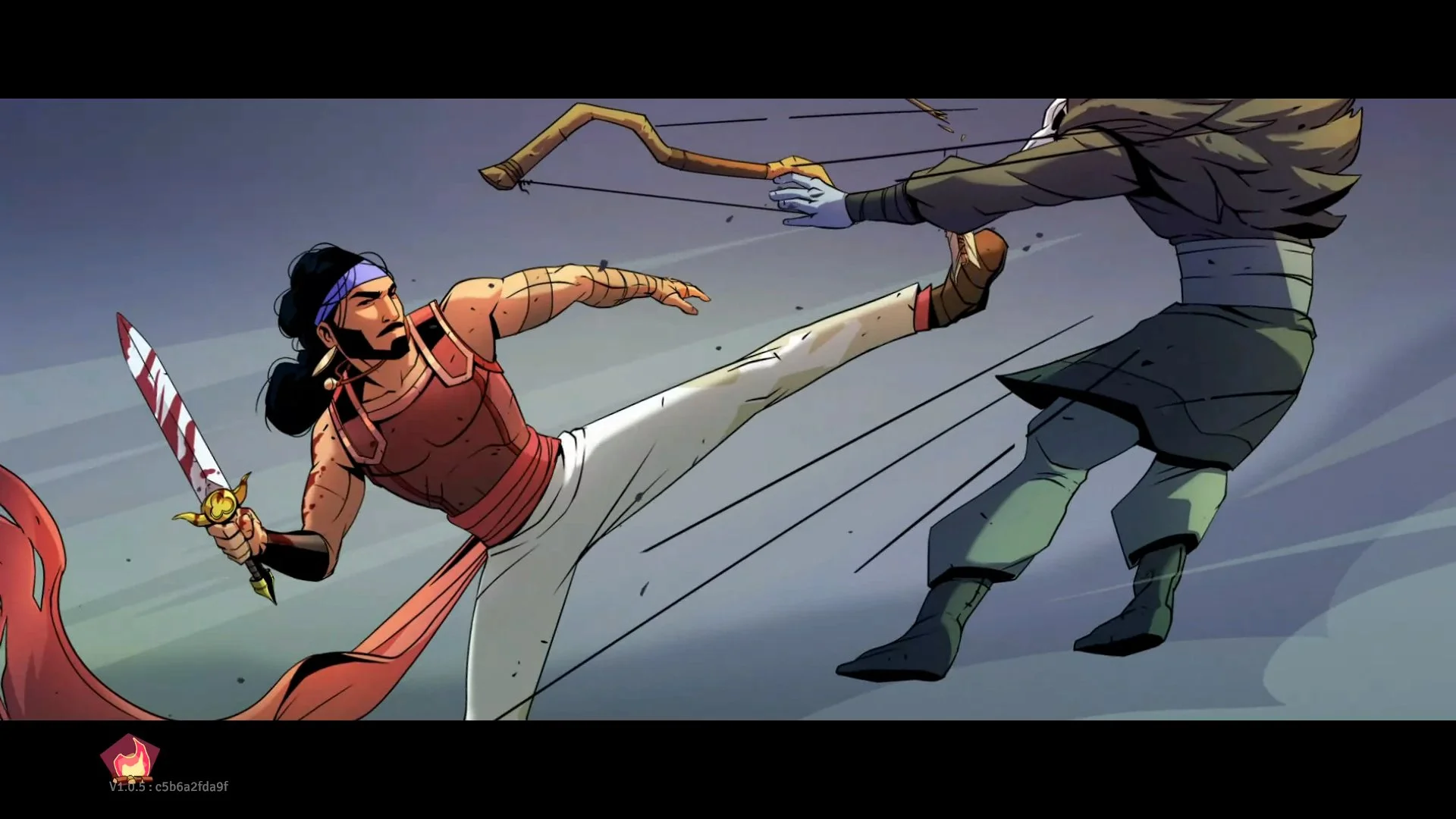
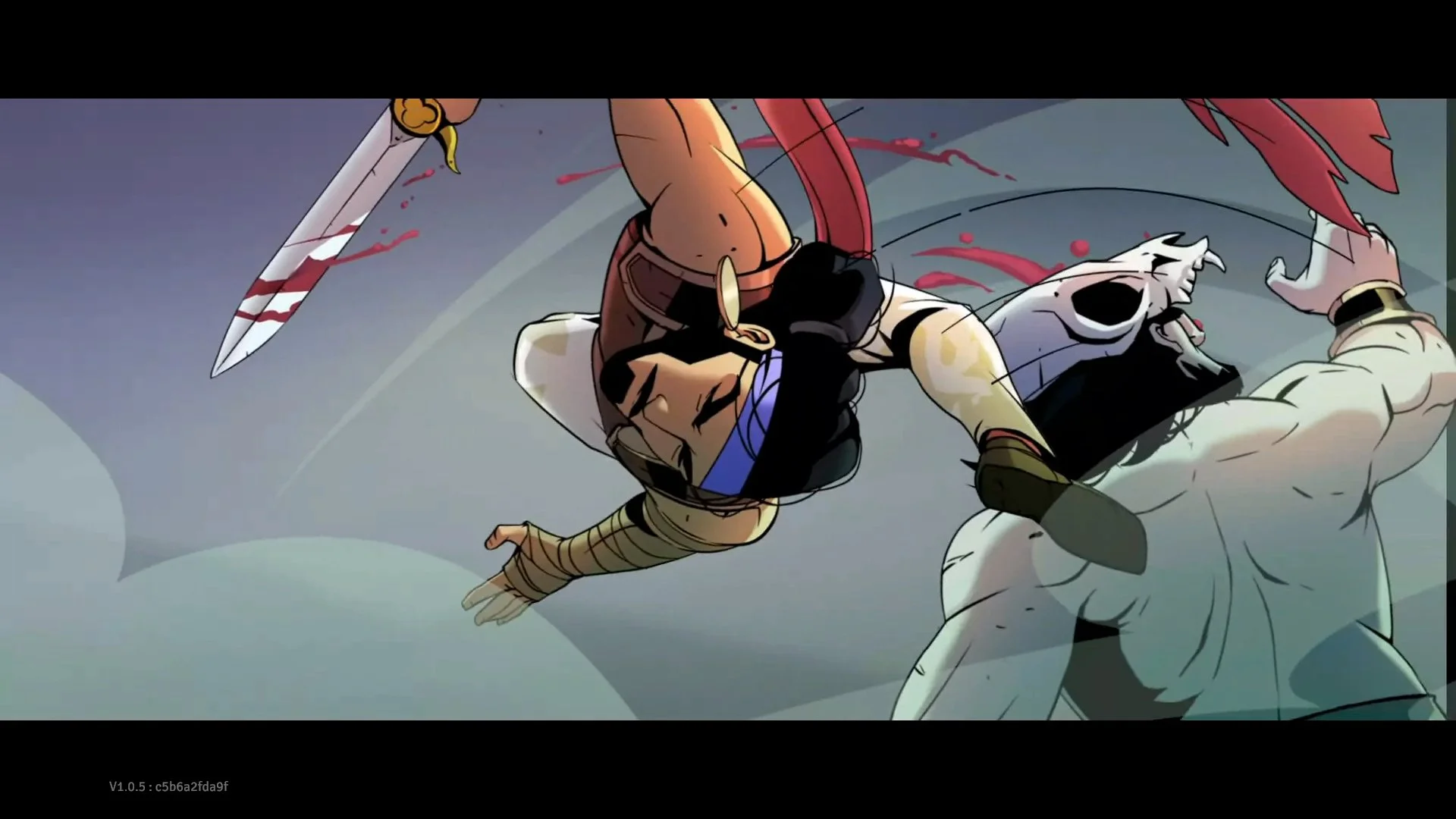
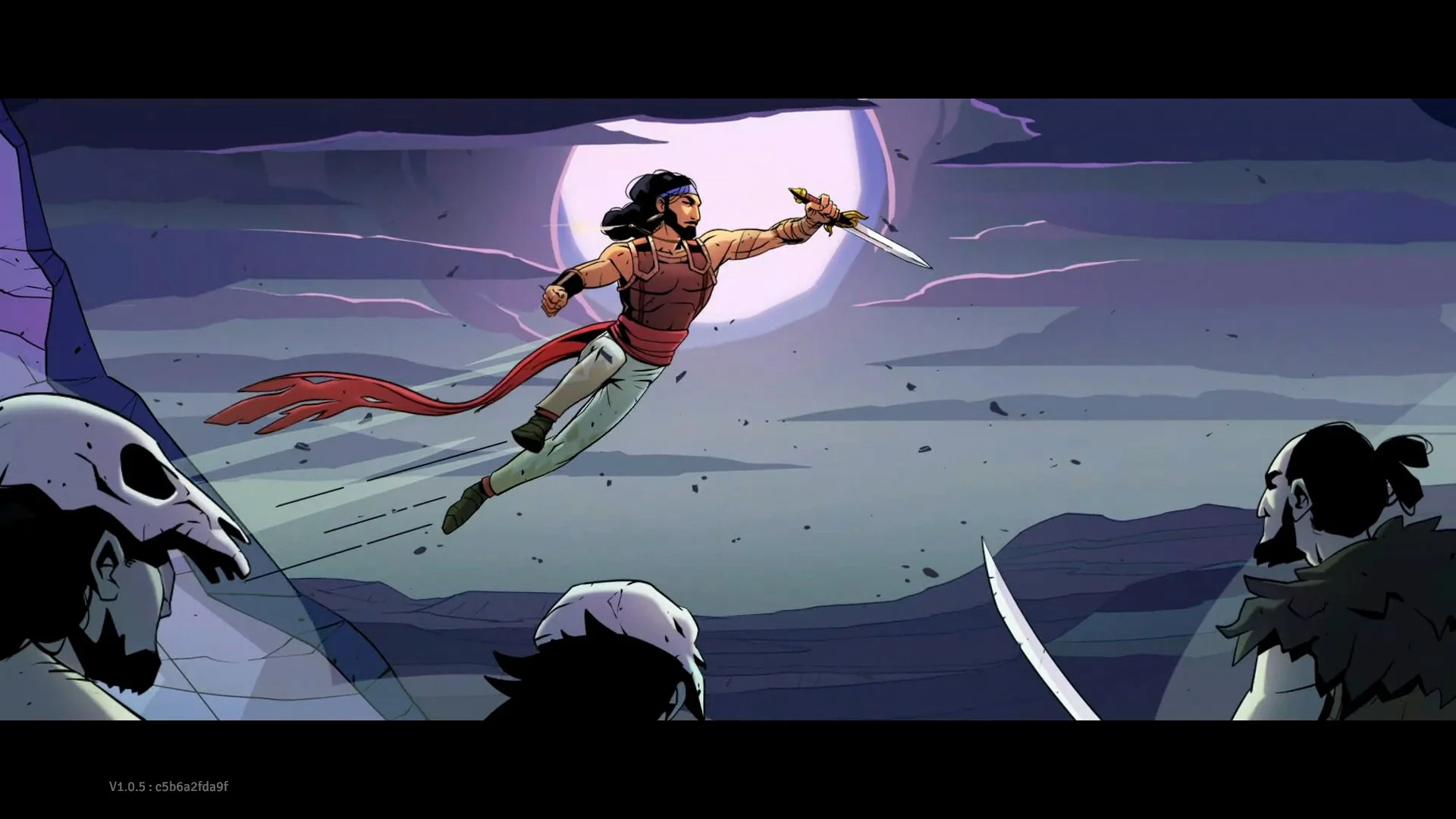
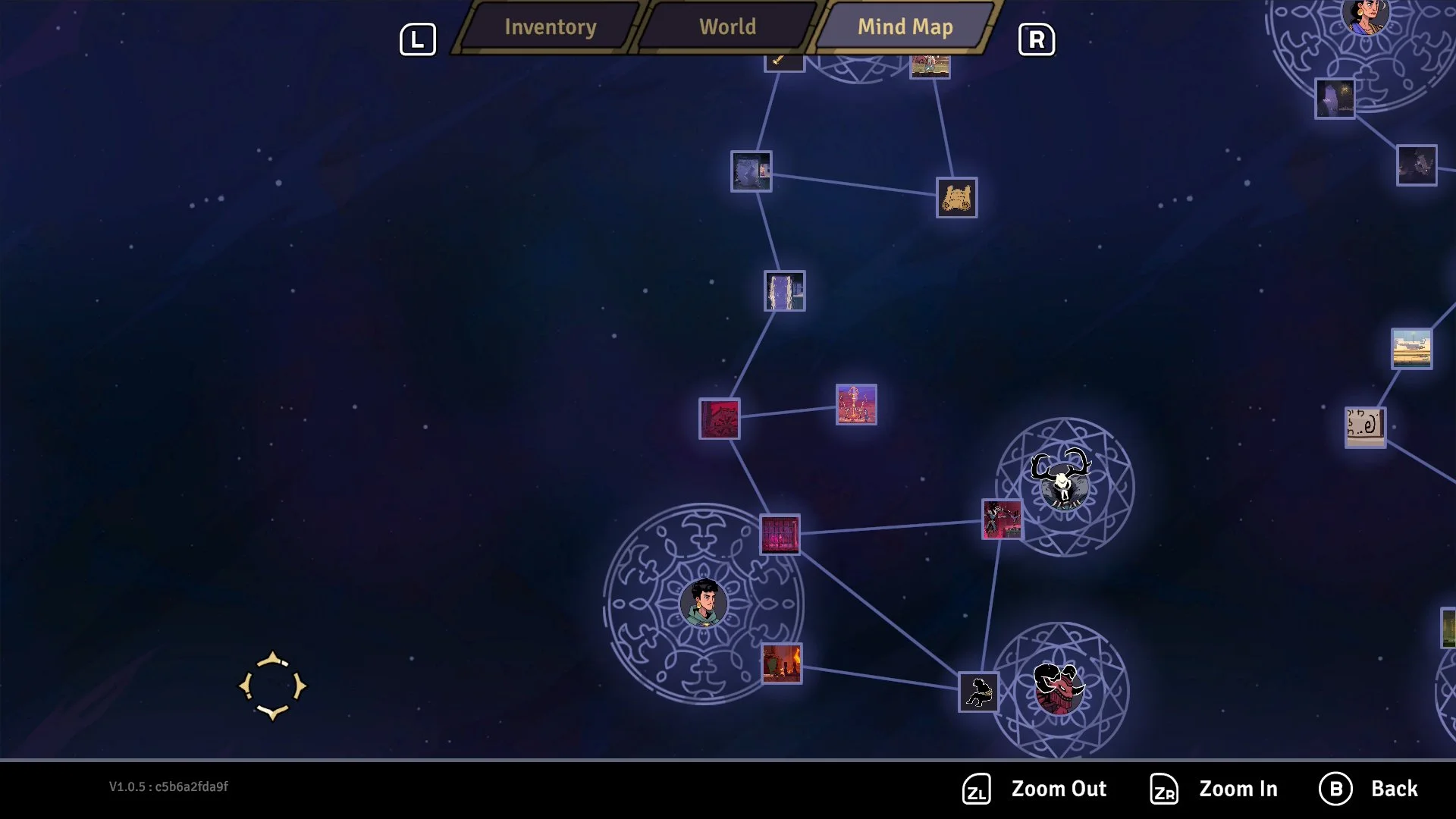
Dead Cells operated as a metroidvania, and progressing the story required unlocking new abilities. The Rogue Prince of Persia moves the story along via, wait for it…storytelling. As the Prince finds survivors of the Huns’ attack, he is tasked with quests that unlock additional biomes. For example, breaking the Prince’s brother out of a cell is one of the early tasks. This leads you to finding another NPC who would have information on what is needed to do so. Accessed via the pause menu is the Mind Map. At first, there are quite a few question marks, but as you find more NPCs, the story branches out, and more biomes become available to explore. Implementing the story in this fashion makes each run unique, as you need to start in one biome on one run, while starting in another the next time.
GAMEPLAY
If you come here with experience in Dead Cells, you will feel right at home, though there are some noticeable differences. If you are not familiar with Dead Cells, you are about to experience a fast-paced, 2.5D action platformer. Yes, that reads Two Point Five D.
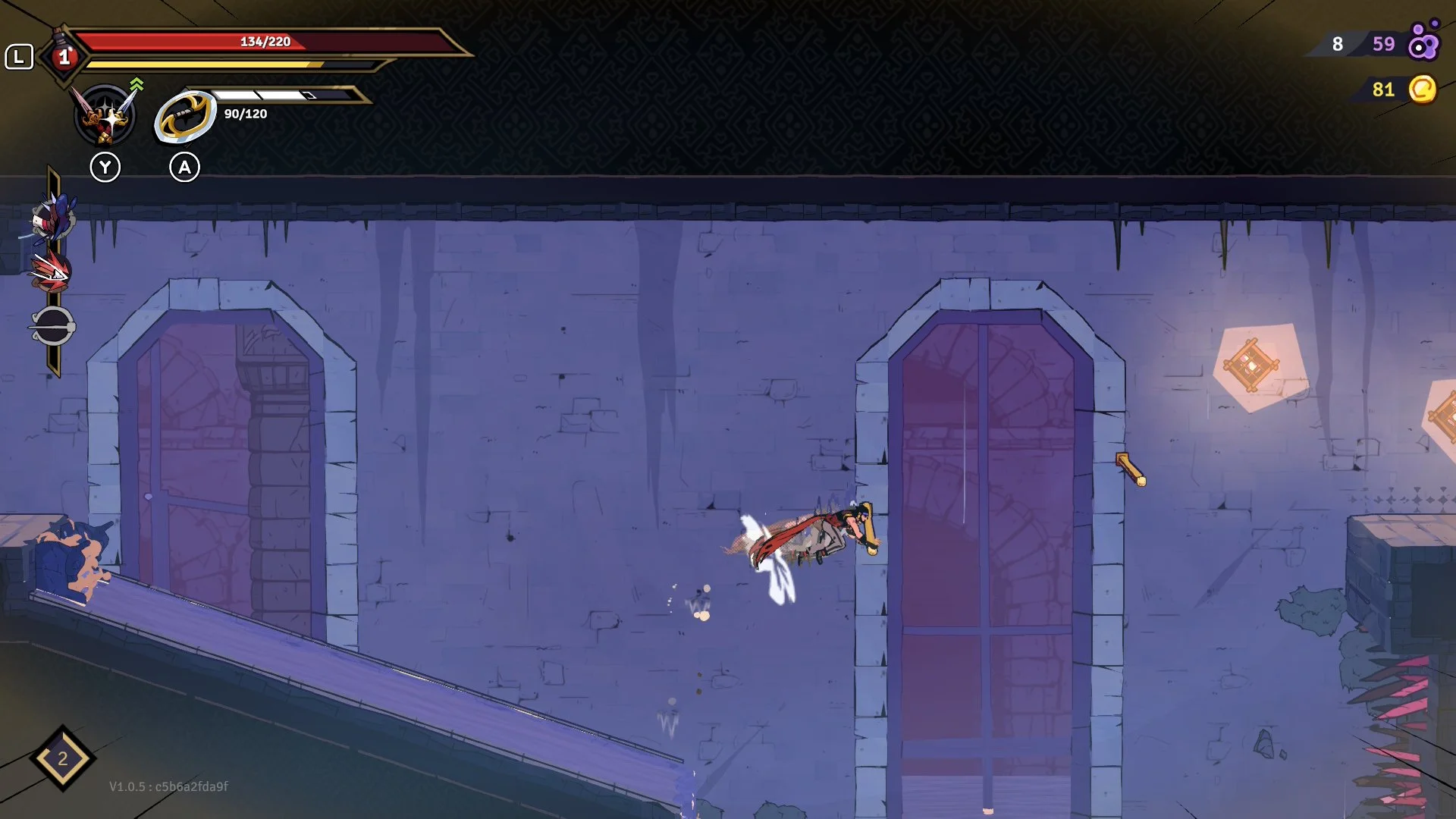
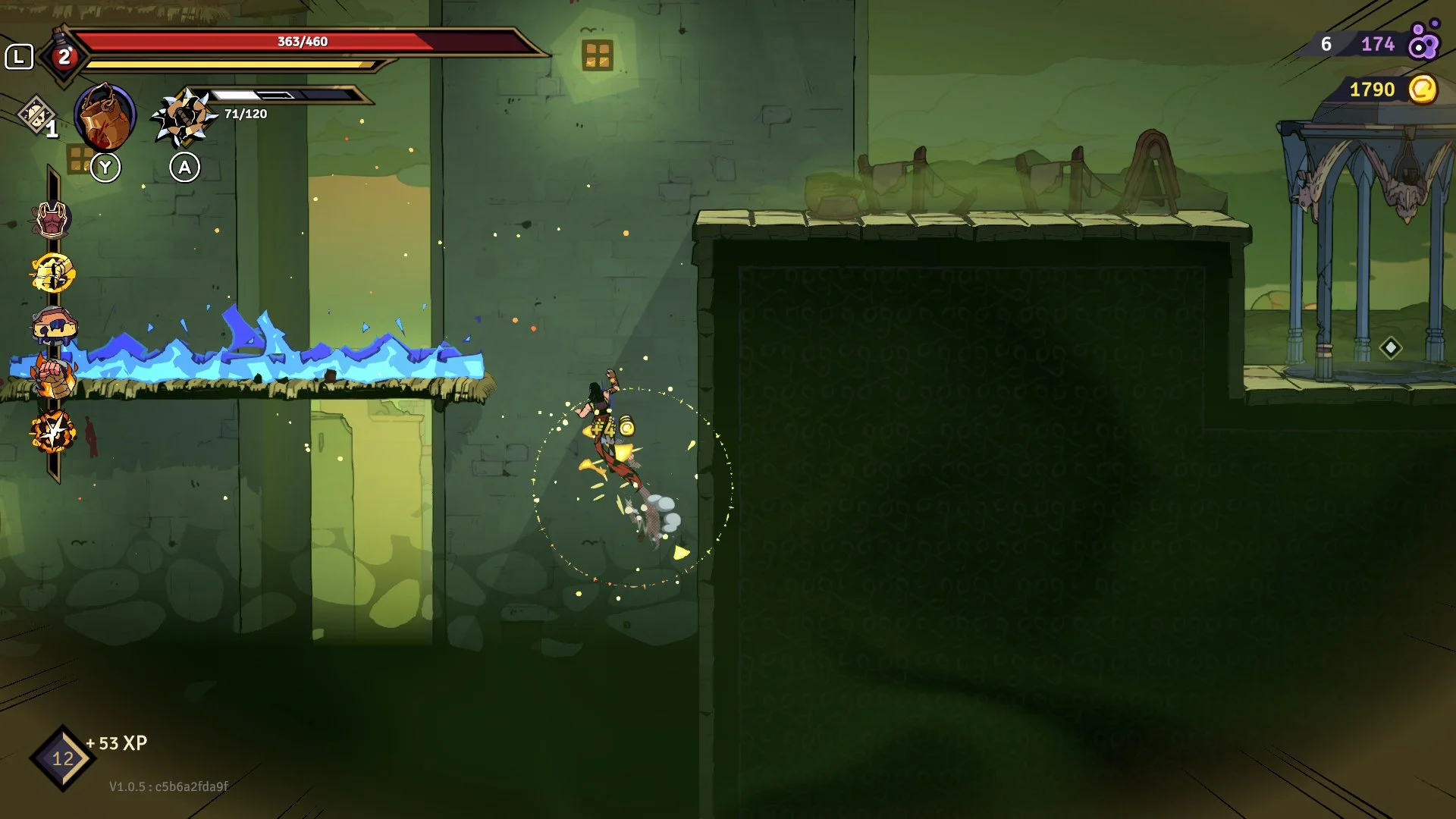
In addition to the standard action platformer abilities (run, jump, dash, dodge, and attack), the Prince can wall run against the background environments and seamlessly transition back to the foreground. Perfectly timed doges or acrobatics will fill a meter, which, when filled, triggers Vayu’s Breath, which will significantly increase the Prince’s movement speed. Later in the game, this can become an offensive weapon.

Parkour!
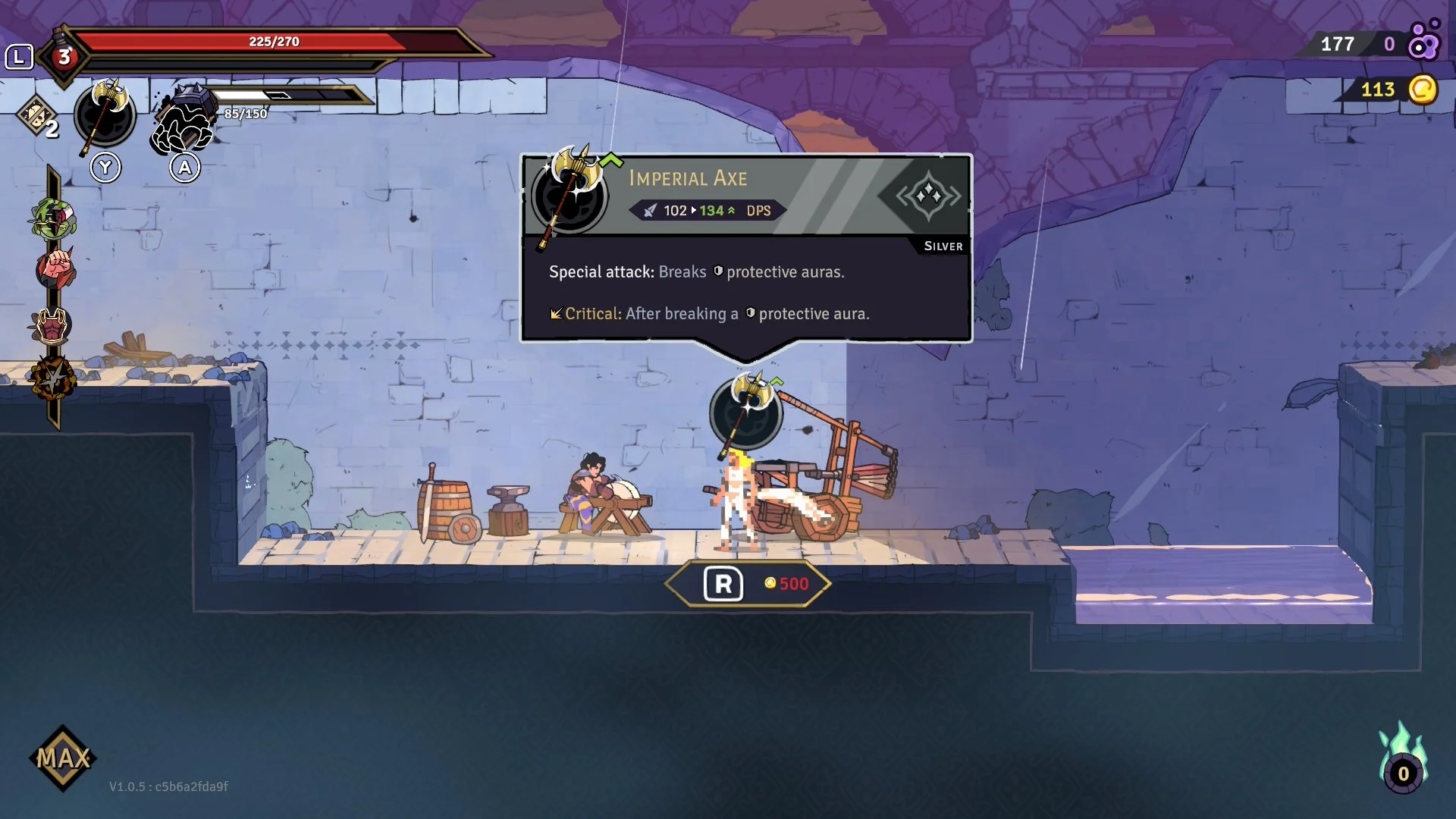
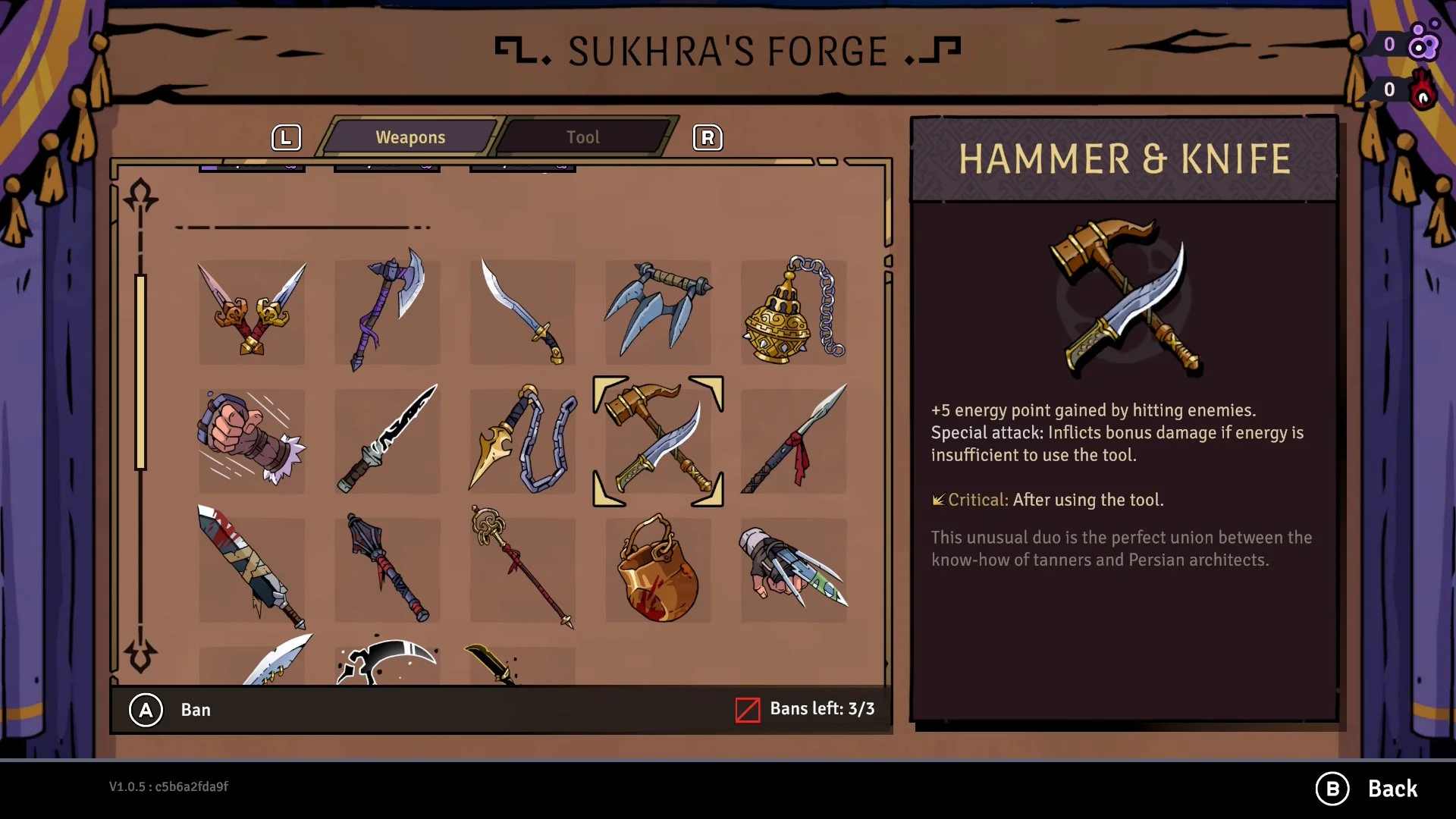
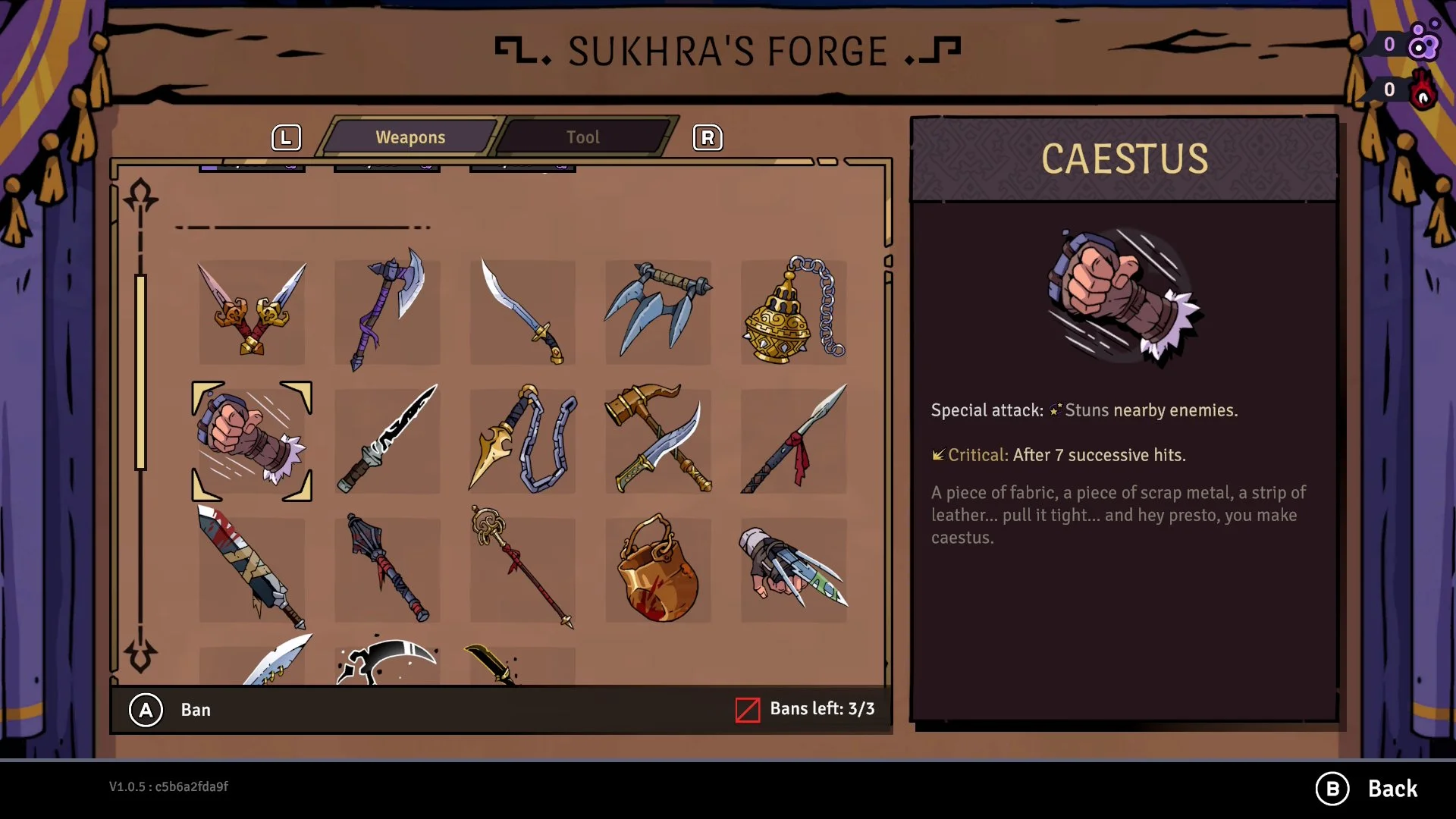
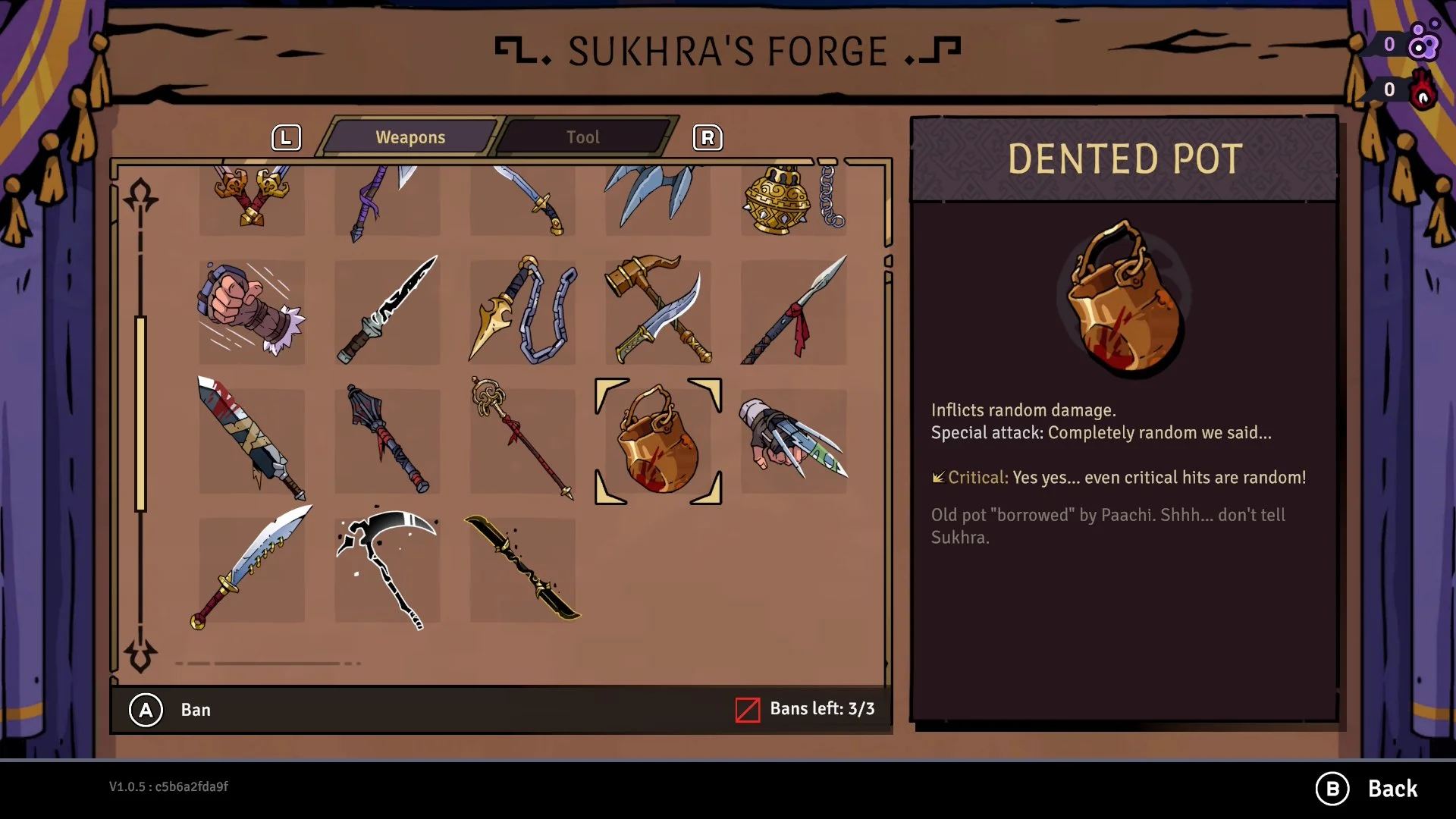
Speaking of weapons, the Prince has quite the arsenal. Although he can only equip one weapon and one tool, there is a plethora of choices at his disposal (or rather, RNG’s disposal). Weapons range from daggers and claws to axes and spears, and everything in between. Fancy a pot? You are covered. How about that thing from Church that is used for incense? I was today’s year old when I found out it’s called a censer (I grew up going to mass every week). Apparently, if you swing the chain, it can do some damage when whipped around. All weapons in-game have a unique feel and weight to their attacks. Faster weapons might not hit as hard, but you will get in twice as many hits before vaulting over your enemies, while the slower ones can ruin an enemy’s day (or face) in one swing but leave the Prince more exposed to damage. Holding down the attack button will trigger the weapon’s special attack, and the tooltips will indicate the parameters for a critical hit. Weapons have 5 quality ranks, with each rank increasing the base damage. All weapons can be upgraded twice during a run. Later biomes generally have better quality weapons.
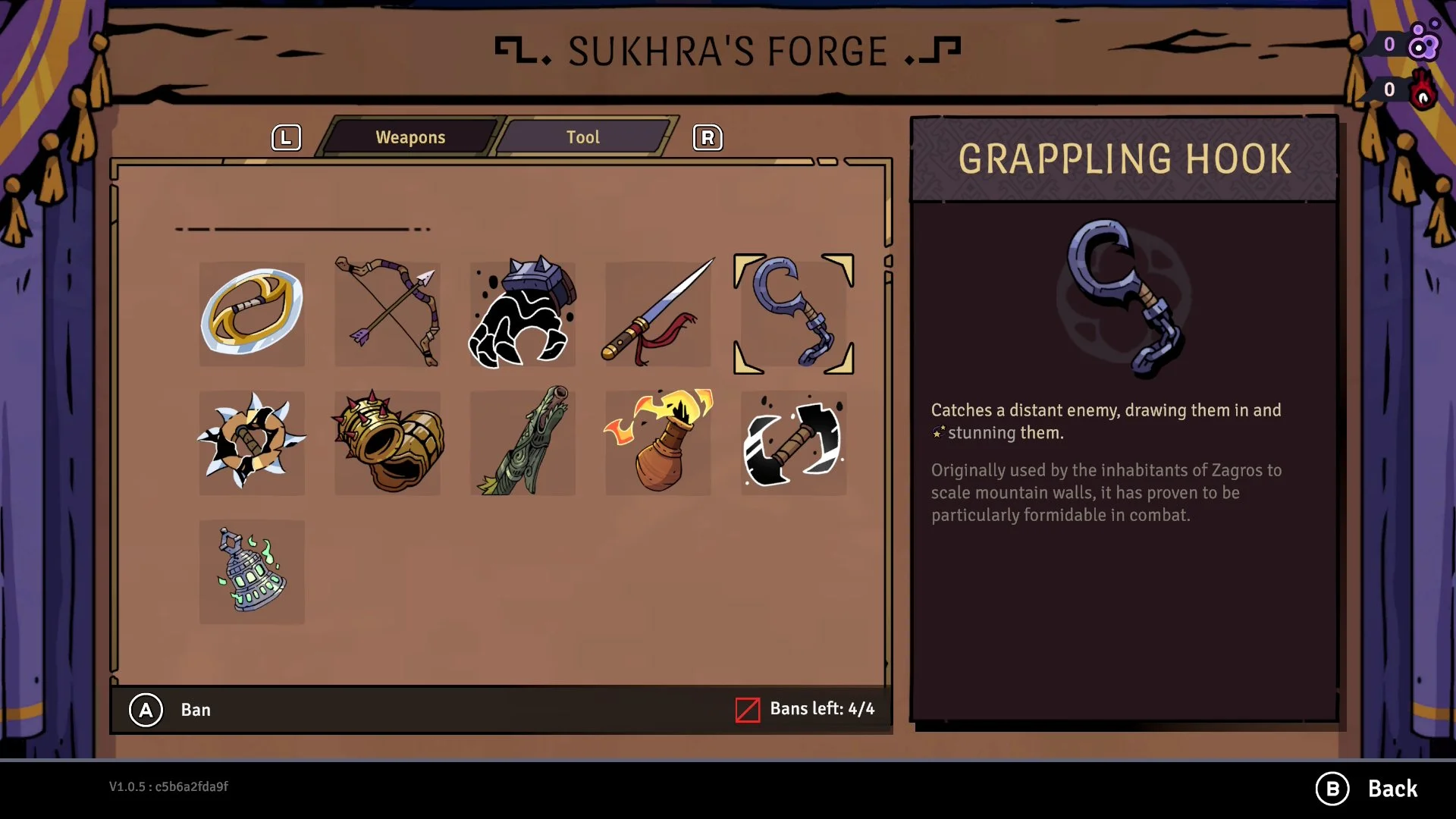
Tools serve as secondary weapons that use energy to function. The Prince regenerates energy as long as he is attacking with his weapon. Many tools add a ranged offensive option like bows and chakrams, but there are also grappling hooks that can stun enemies or the ability to set the ground on fire, and any unfortunate foe dumb enough to stand in the first. Last but not least is the kick ability, which serves multiple purposes.
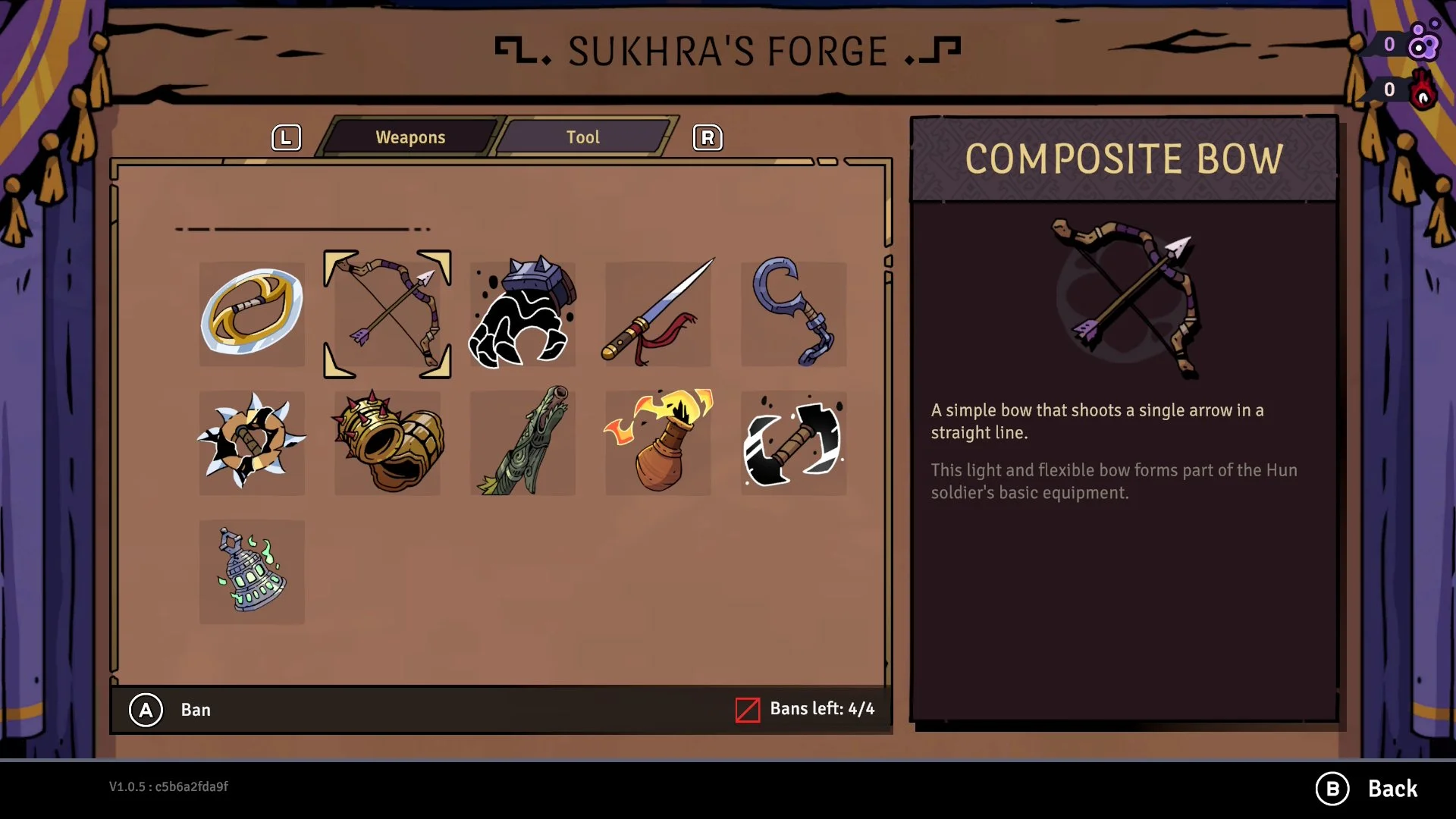
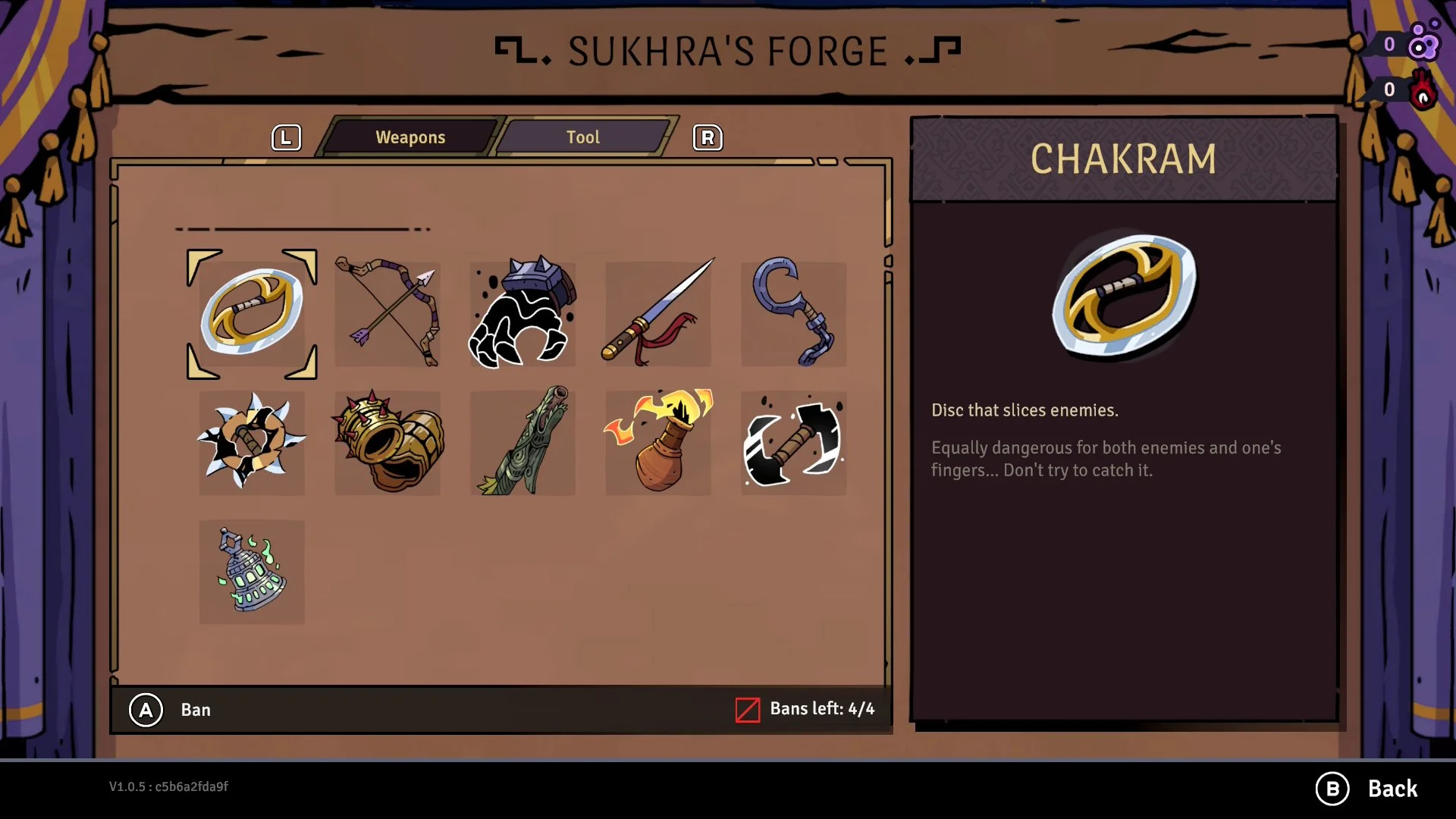
As you progress further into the game, you will encounter enemies with protective auras (read: shields) that are immune to damage until the aura is gone. Kicking at the aura does squat, but kicking something at the aura will shatter it. By something, I mean rocks OR, you know, another enemy. Yeah, you can Ray Finkle an enemy right into another enemy. Kicking can also be used to do your best King Leonidas impression (most enemies will die if they fall far enough) or by kicking them into the ridiculous amount of spikes all over the level. The spikes also act like a reverse yellow paint. If you see them, you probably need to wall run to bypass them.
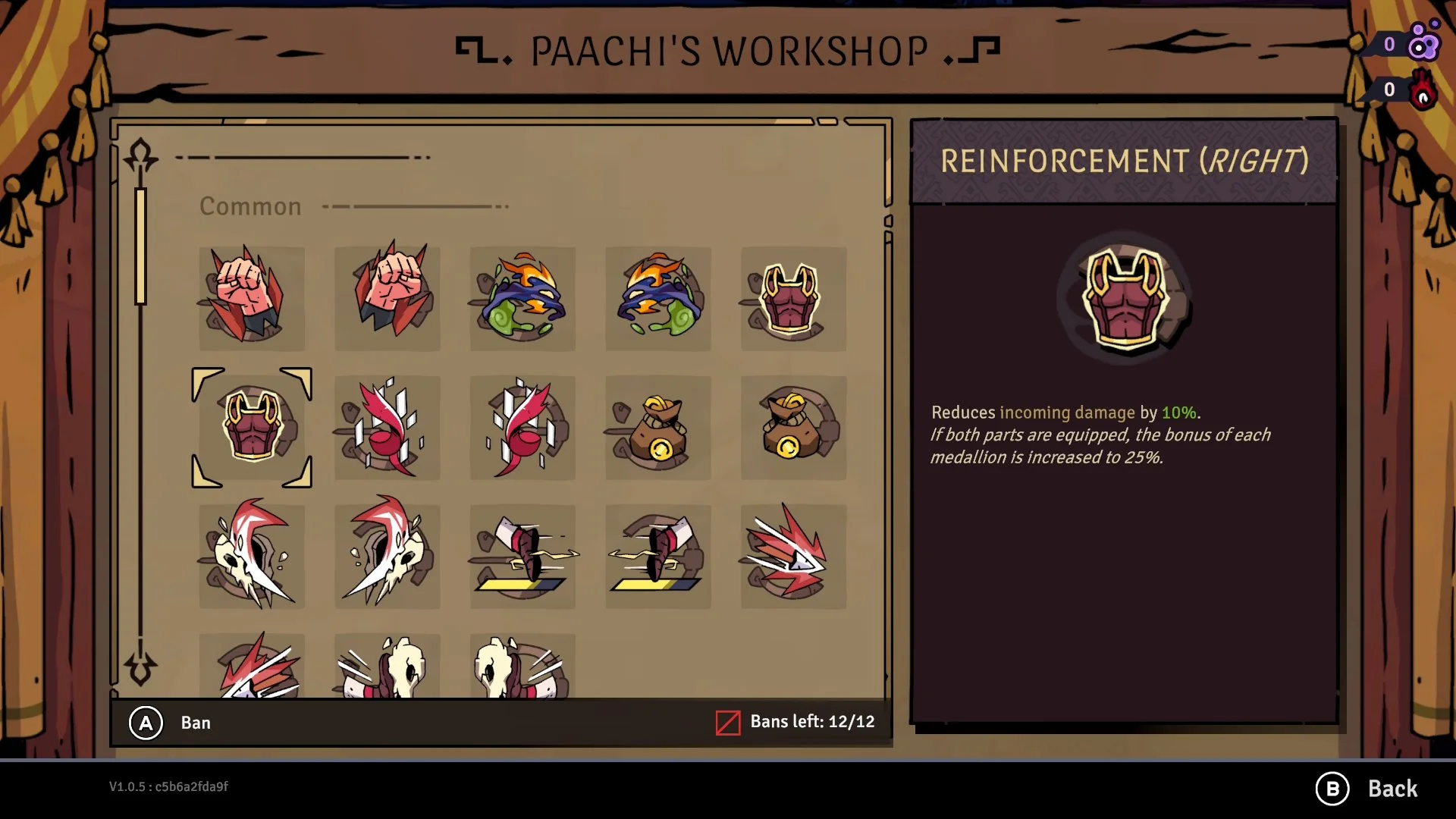
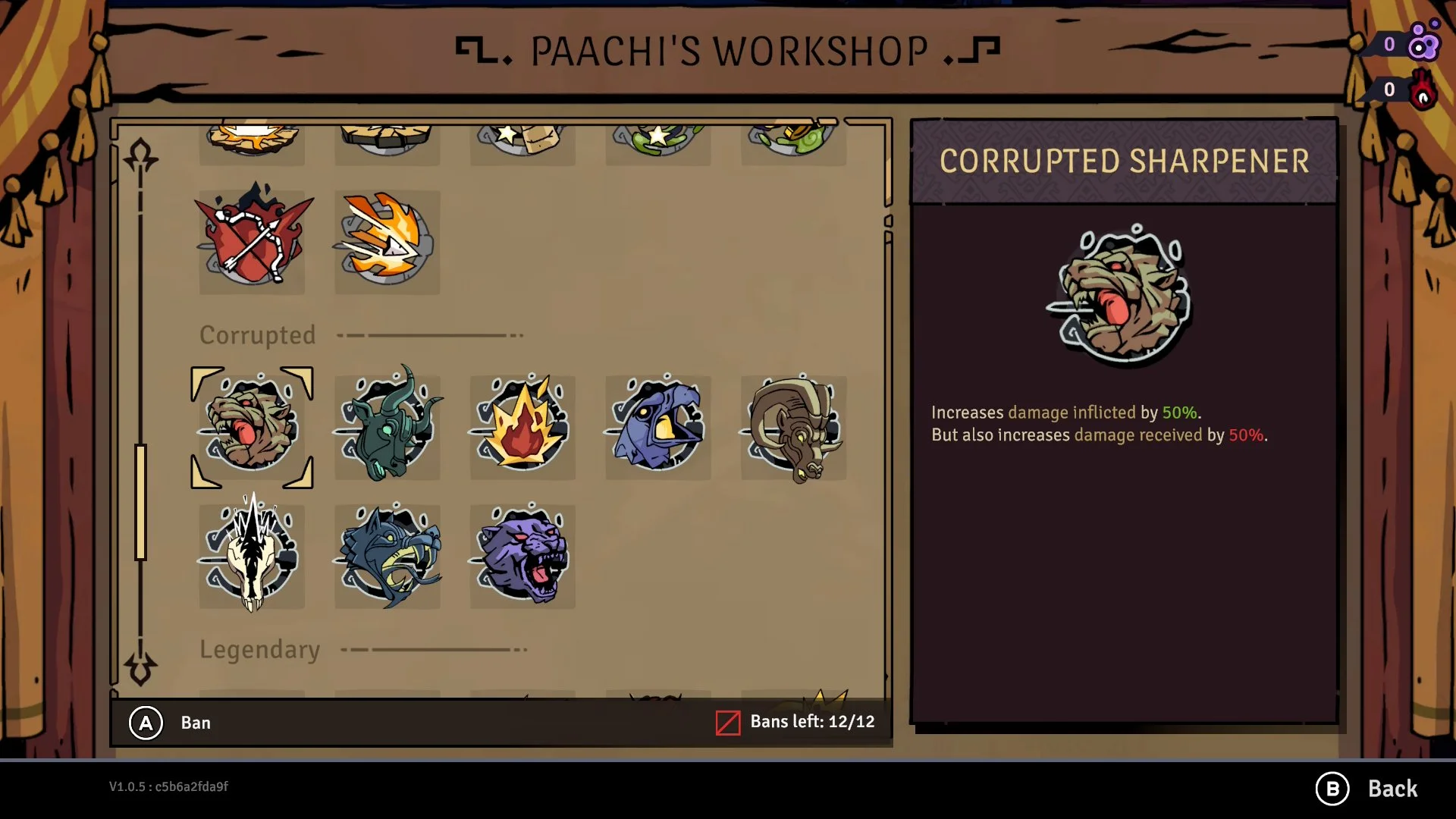
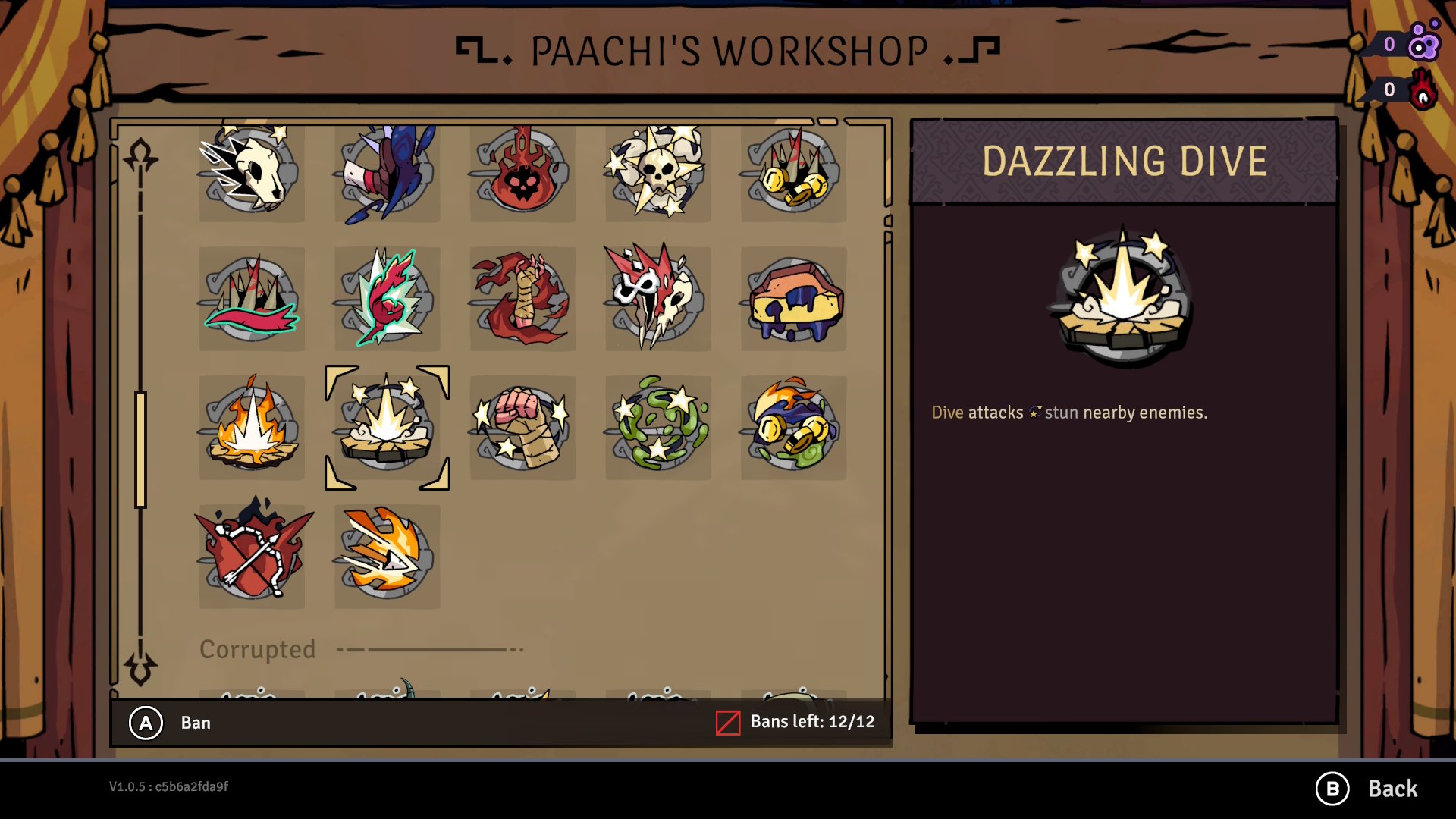
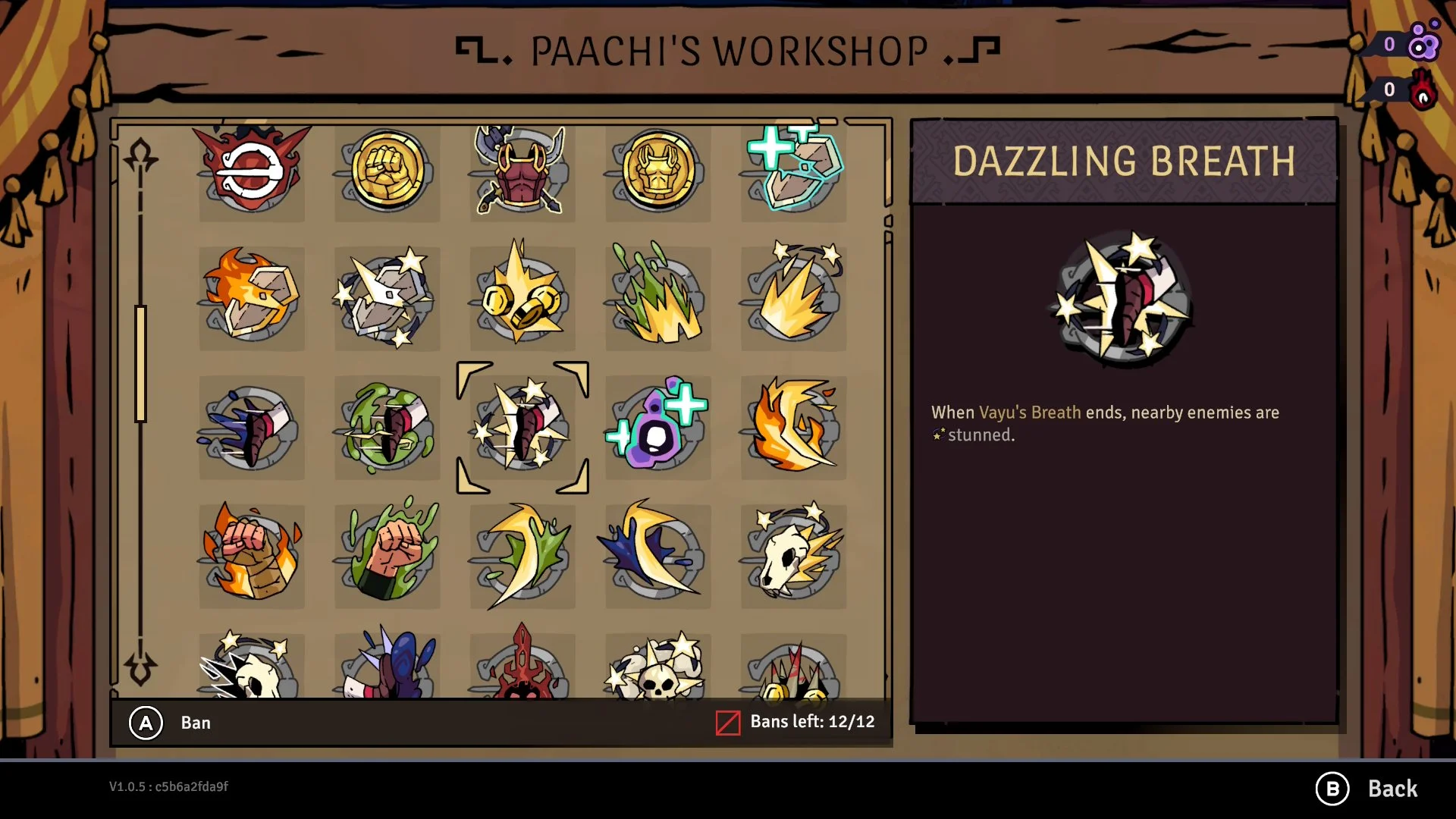
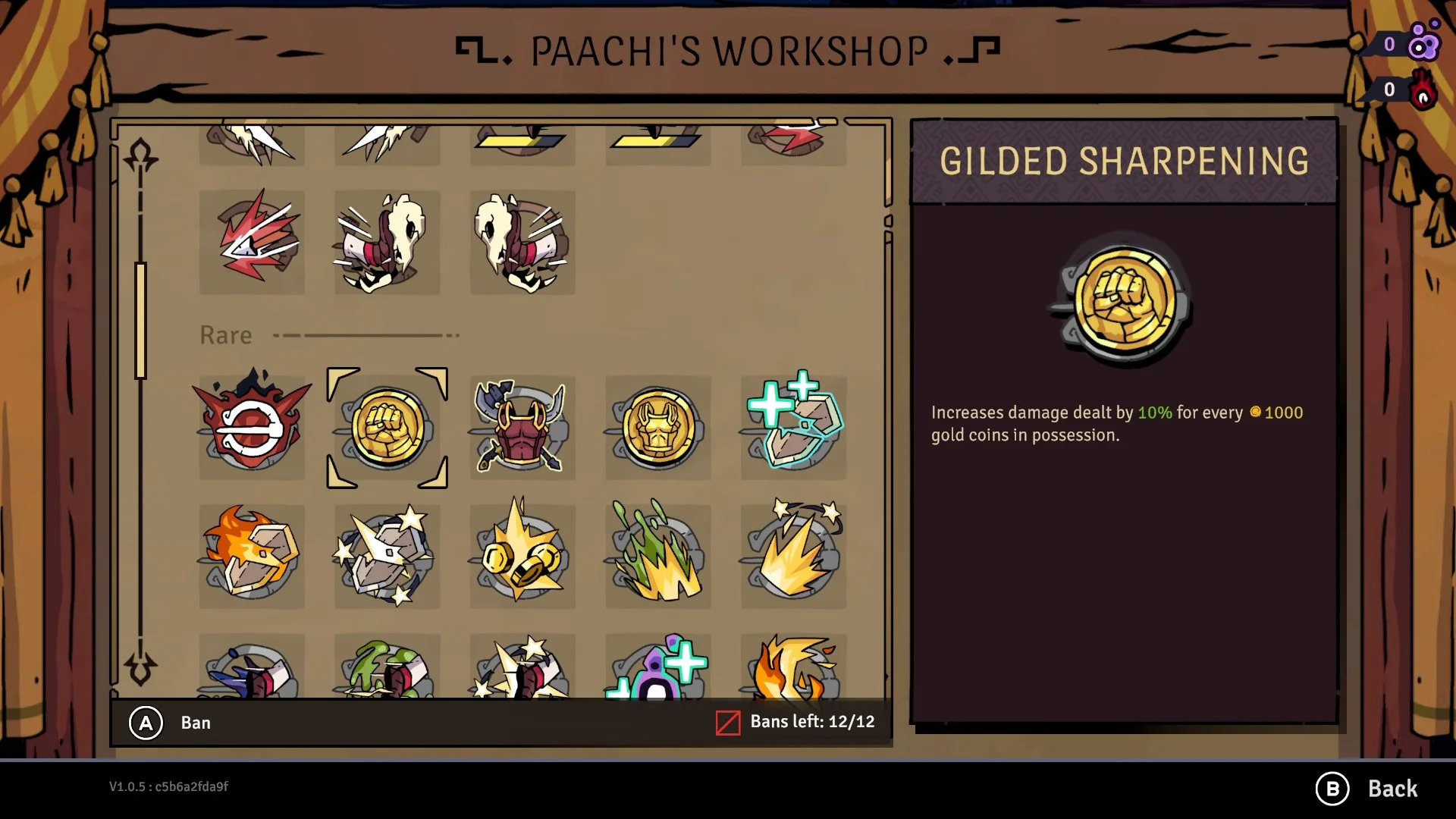
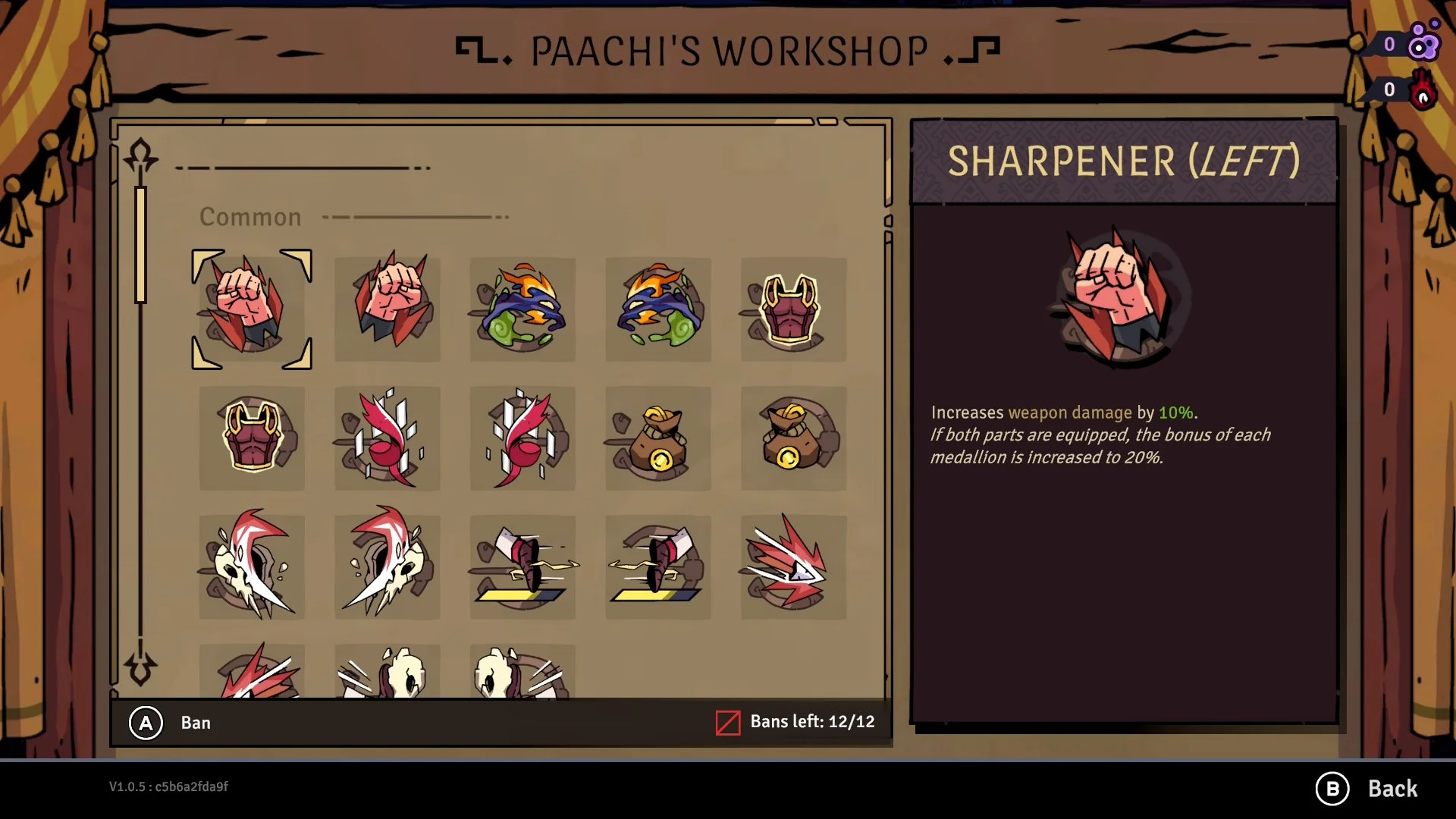
The last piece of the Prince’s arsenal is medallions. These enhance the Prince’s abilities in a variety of ways. A number of the medallions are just flat boosts to things like energy restoration or weapon damage. These all come in pairs, and if you find both, it will double their boost. The rarer and legendary versions of medallions offer more direct effects, such as area of effect explosions around the Prince while Vayu’s Breath is active, or dashing leaves Resin on the ground (this slows enemies greatly). There are even corrupted versions of medallions that have even better upside but at a price, such as 50% damage increase while Vayu’s Breath is active, but the duration is halved, or killing enemies restores health, but your max health is decreased.
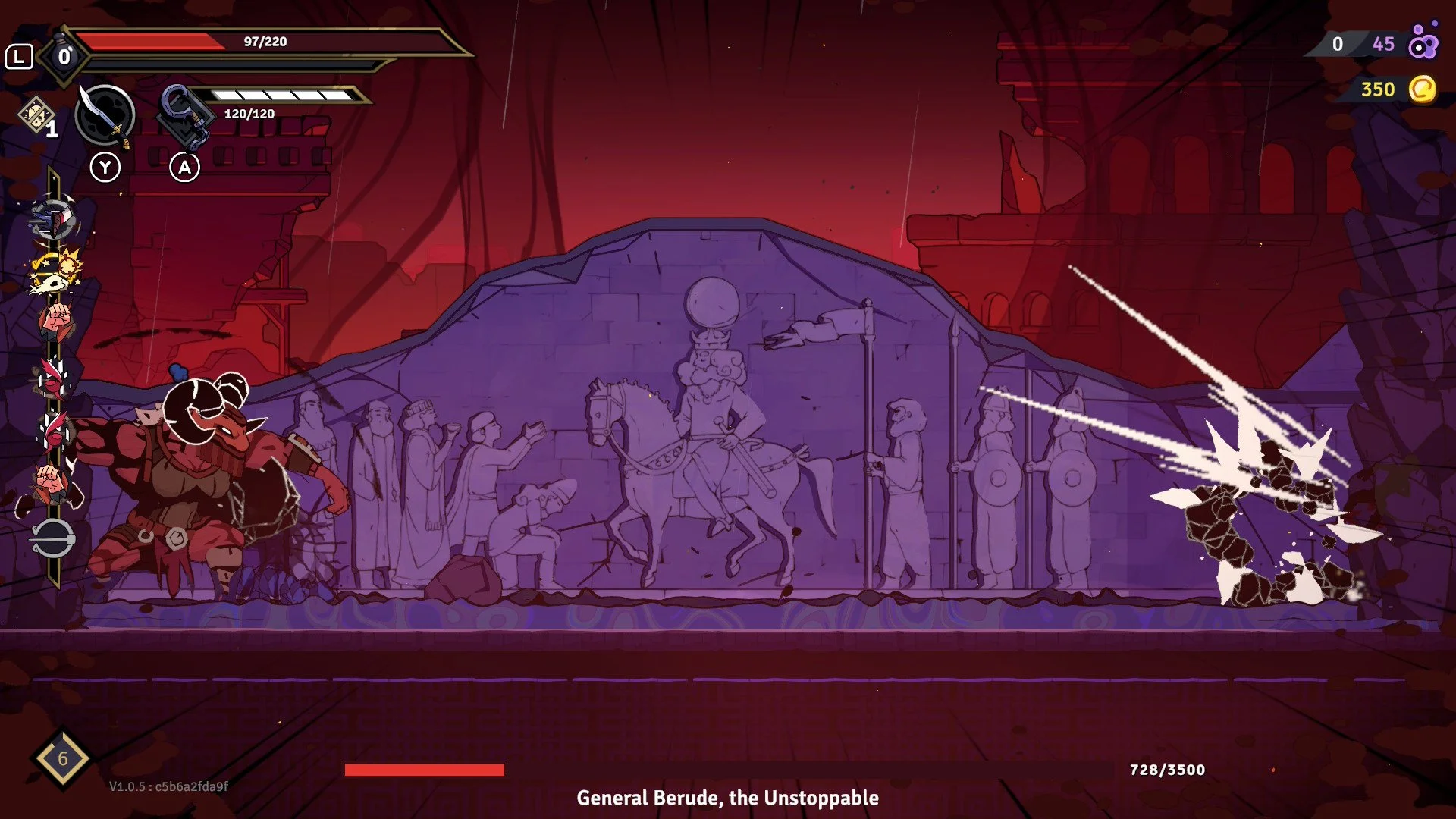
Pulling a page from Dead Cells, level structure in The Rogue Prince of Persia is generally two biomes followed by a boss fight. There is even a similar teleport system allowing for fast travel within the level. In the early goings, you have access to a limited number of biomes.
By late game, you will always have two possible exit points. Several events can take place in each biome. All biomes are procedurally generated, so what happens in one biome on one run may never happen again. What the Prince will find are doors that can be accessed throughout the level. Some doors lead to a chest with weapons or medallions. Nothing fancy. Just sweet sweet loot. Other rooms will put your traversal skills to the test. If you make it to the end, the chest will contain not only a new weapon or tool but also the blueprint to unlock it permanently into the rotation. Unlike Dead Cells, blueprints found are available to unlock regardless of whether your run is successful or ends in death. I thought it was a nice feature that the blueprint would spawn with the actual weapon or tool, allowing you to test it out right there, so you know for future runs if this was something you wanted to use or not. Occasionally, the Prince will start a biome and be thrown into a brief rescue mission.
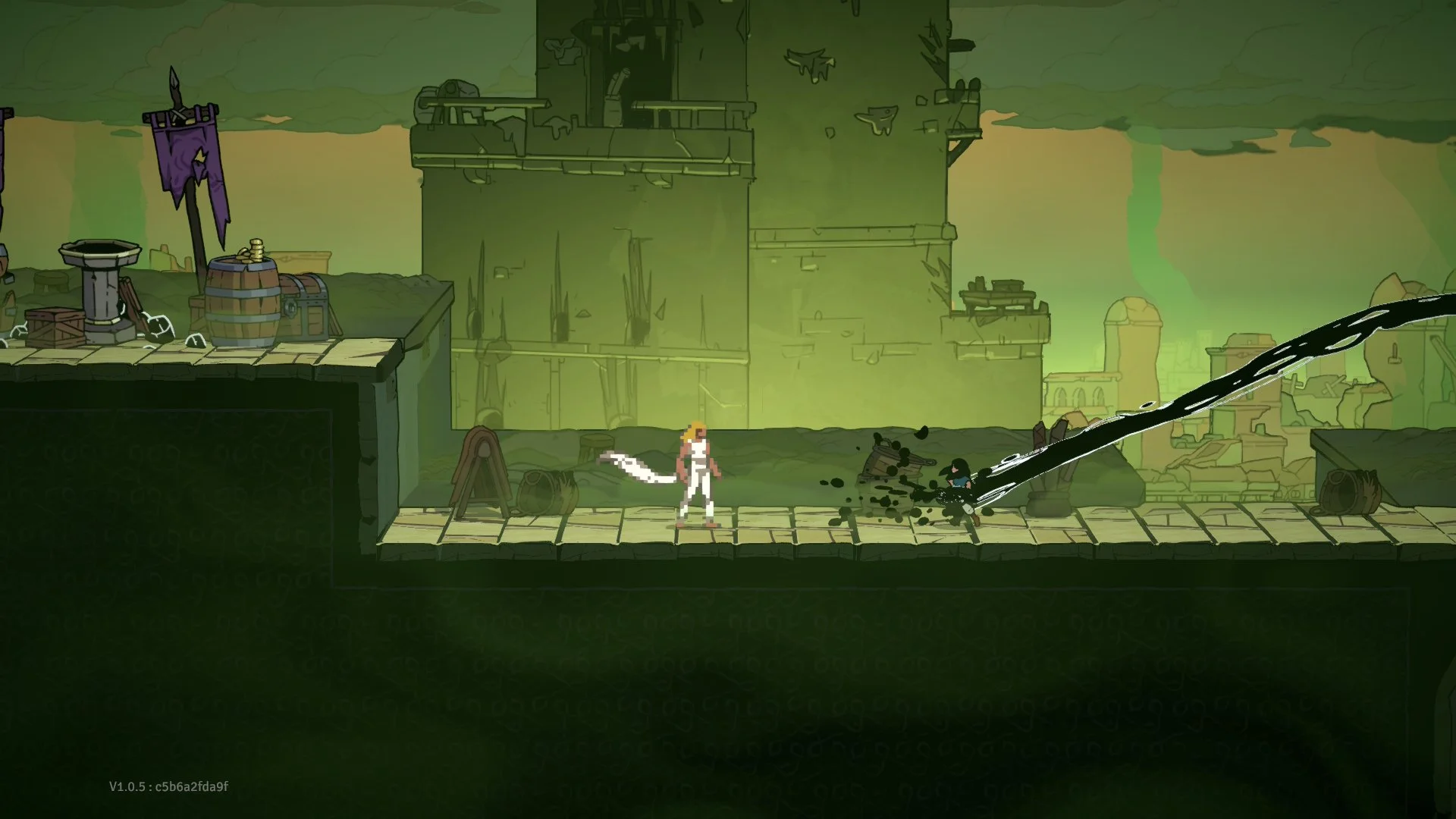
A corrupted tentacle will grab a small child or animal, and you are tasked with chasing it down and killing the sorcerer before it captures its prey. This is strictly a traversal task with no enemies, but you can easily fall to your death or become impaled on spikes. Victory will guarantee a legendary medallion amongst other rewards.
There are two types of currency you will deal in during your runs and a third kind in between runs. Gold can be found in the world and dropped by enemies. Gold collected is only usable during the current run you are on, and anything remaining is gone if you win, you die, or you give up. You will use the gold for the aforementioned weapon upgrades or at the merchants that you may find. Gold is also used to reroll medallion choices when presented in certain areas. An early upgrade will allow you to recycle any gear you do not want for some extra gold, and there is even a set of medallions that increase the amount of gold that drops. Soul cinders are also found and/or dropped during a run, but have no functionality until you return to The Oasis. At the beginning of each biome, after the first, you can either deposit all of the Soul Cinders you have earned or destroy the fountain and earn a little extra. Anything not banked is lost on death, so only gamble if you know you can at least make it to the next fountain.
Back at The Oasis is where Soul Cinders are spent, and there are options. The two obvious choices are infusing blueprints found for new weapons/tools or new medallion packs and upgrades, like increased weapon choices at the beginning of the run. Once the Soul Cinders infuse an item, that item becomes a part of the possible drops in-game. As you level up, you gain the ability to ban certain items from appearing. There were definitely several weapons I hated seeing, as I would instantly recycle them, so I might as well ban them from even appearing. Soul Cinders can also be spent on purchasing new outfits, and boy, are there some fun ones.
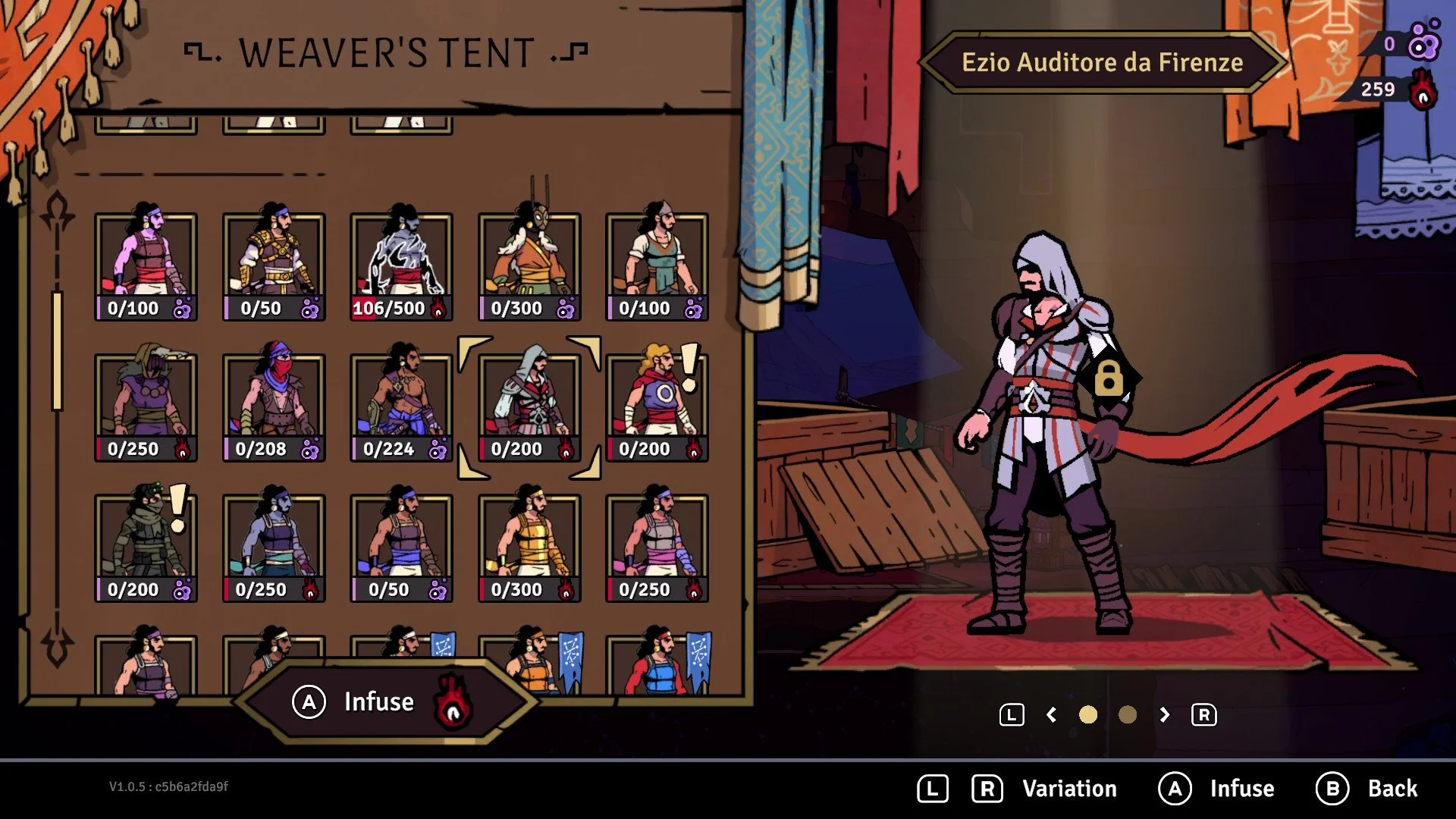
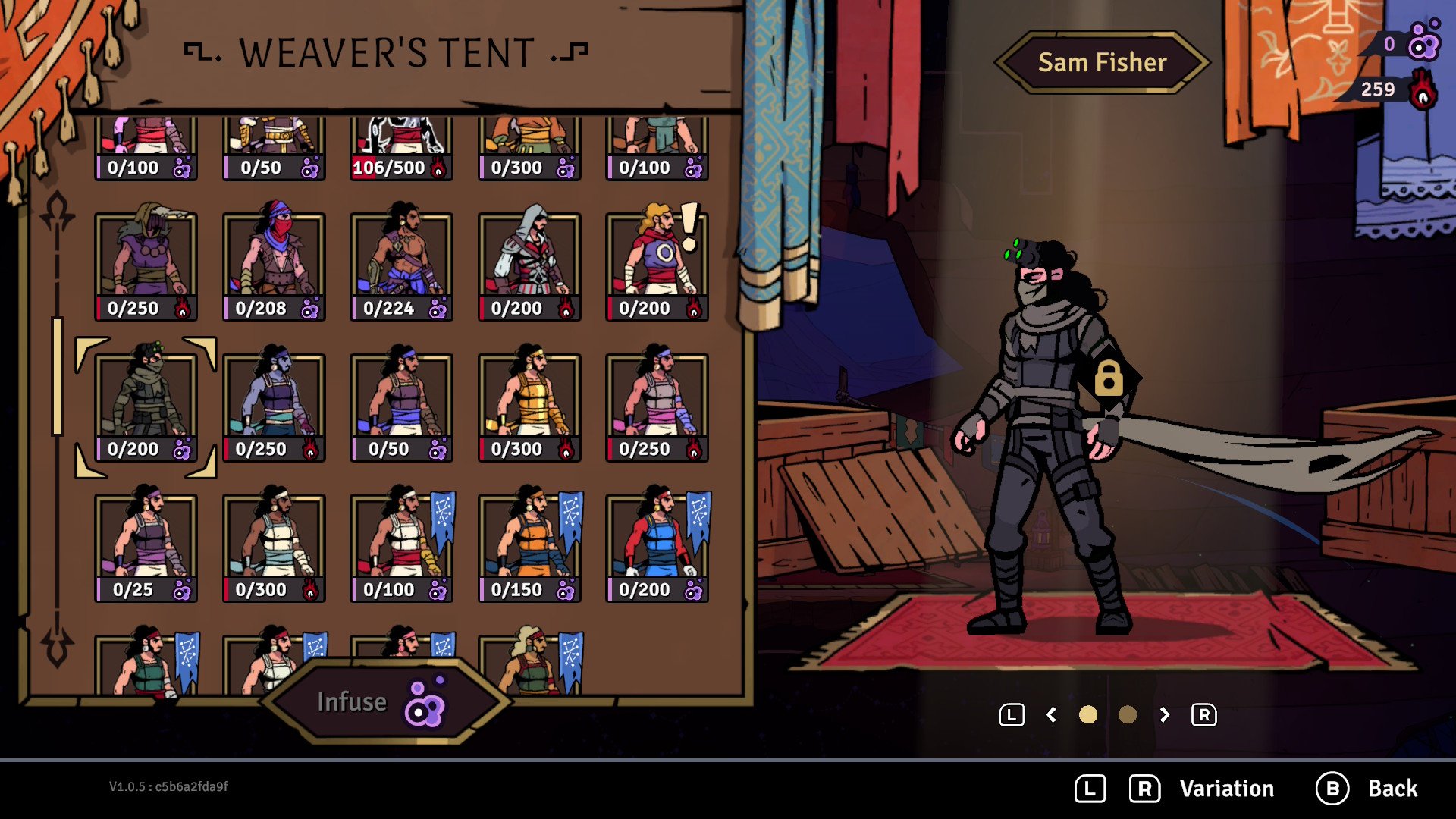
Another source of Soul Cinders or Corrupted Blood is the Book of Heads. This basically tracks your kills, and if you kill certain enemies in specific ways, you can earn experience and currency. As you level up, you also earn skill points, which allow you to access the skill tree. Skills include starting runs with a set amount of gold and/or Soul Cinders, having more health or energy, or even an extra life. There are way more skills than points, so feel free to experiment. Skills can be activated or deactivated as you please between runs.
ACCESSIBILITY
We get a full complement of accessibility options here. To start, ALL controls are completely remappable. This can also be done whenever. This review was done on the Switch 2, and this helped immensely. My personal preference for any platformer/side-scrolling game is to use a directional pad. No issues here with the Switch 2 Pro Controller (the default is the left stick). When playing handheld, I refuse to use those buttons on the left side (Come on, Nintendo, you changed it on the Switch Lite). I switched right back to default and carried on.
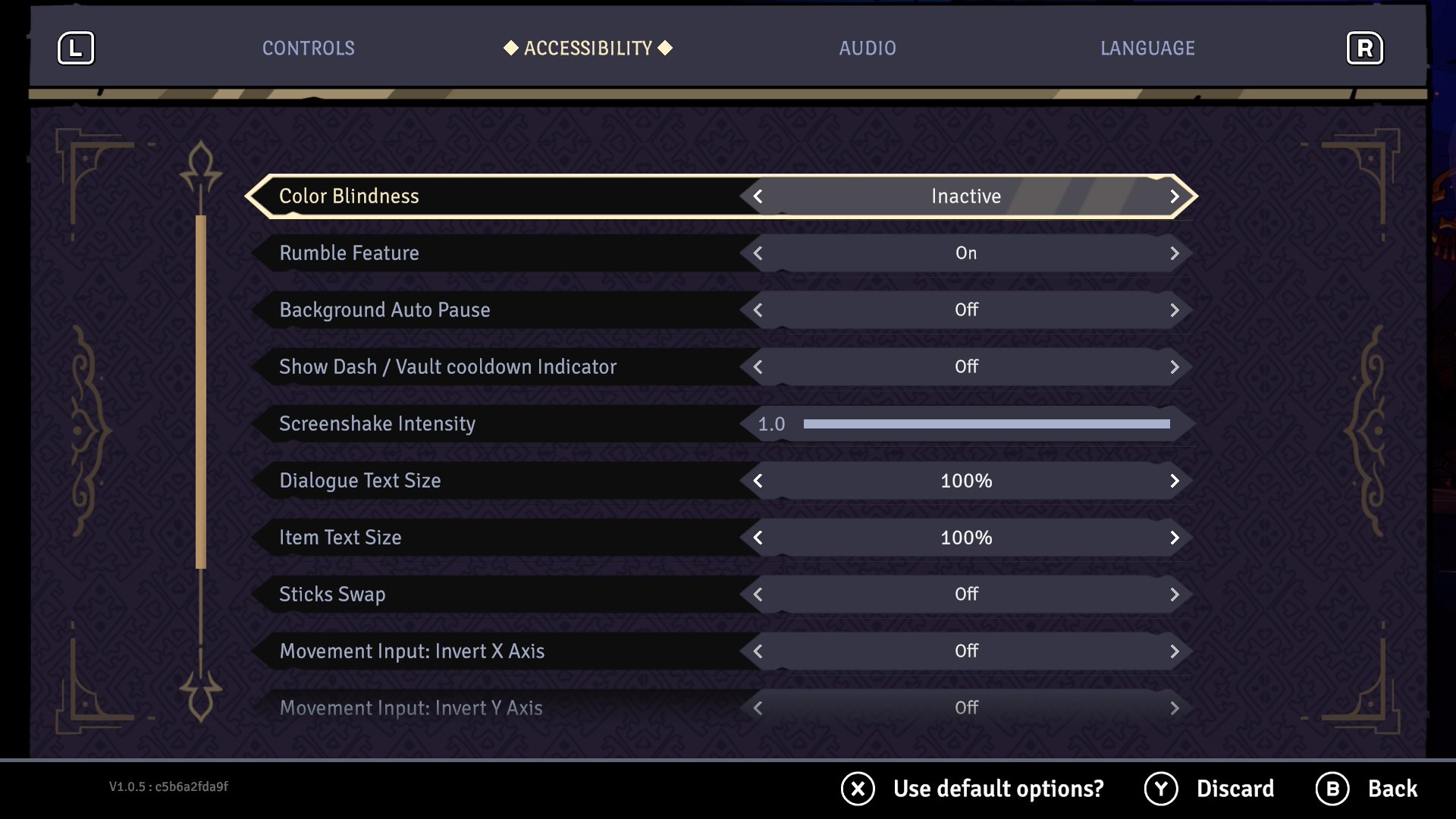
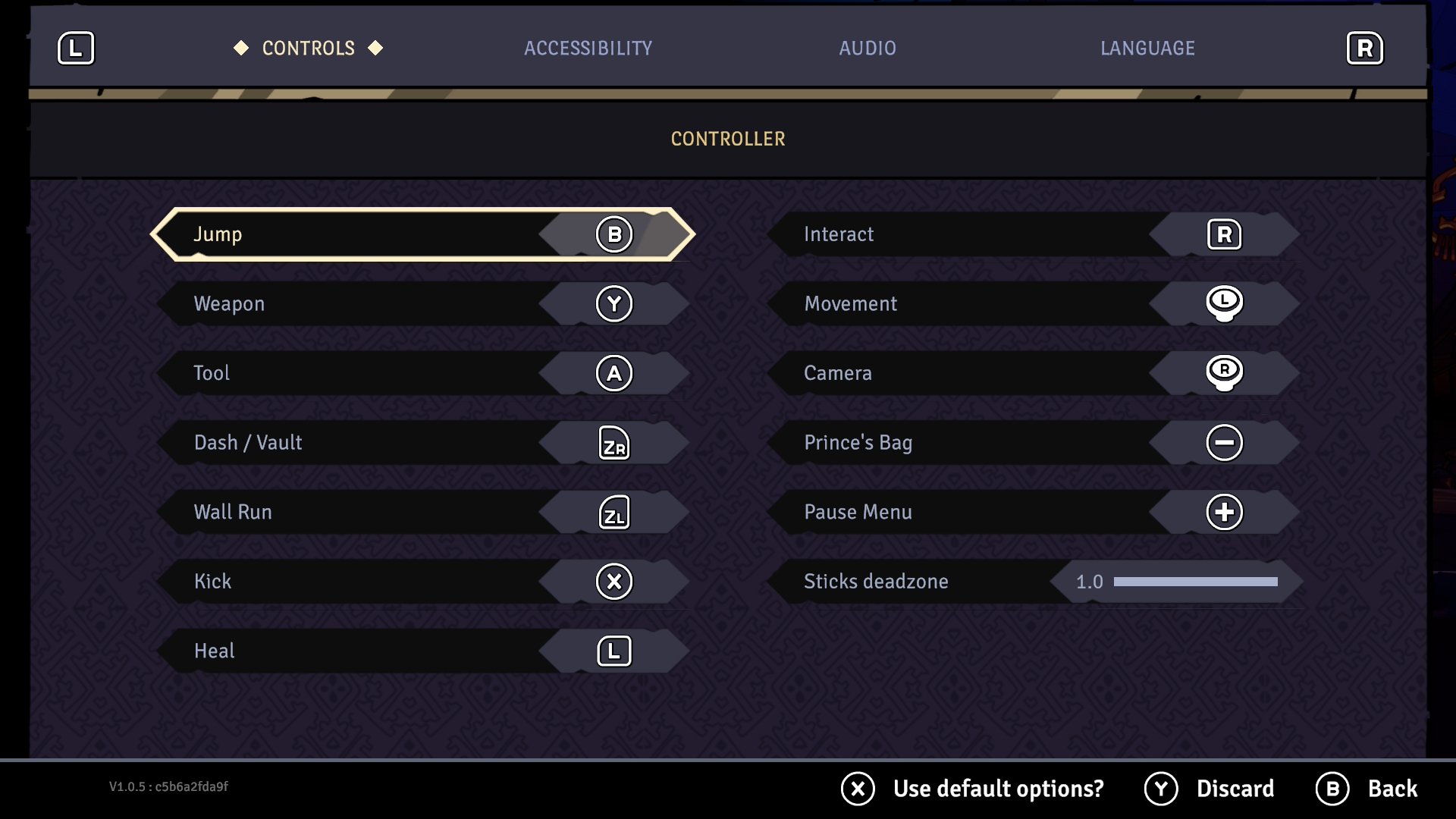
Additional options include a selection of 14 languages, a color blind filter (as someone who is color-deficient, these never work right, but I am sure it helps some), text size options, and even axis inversion.
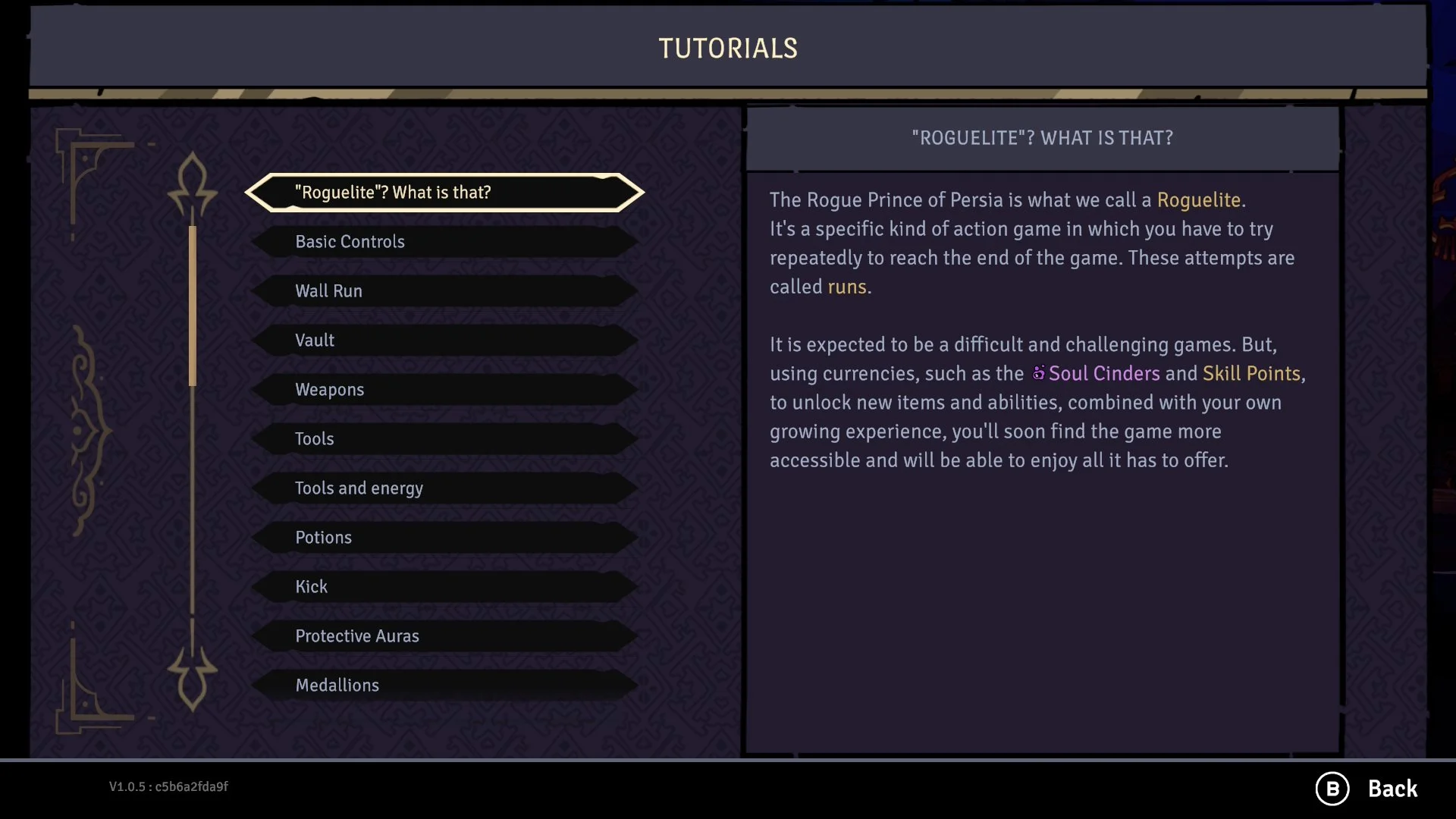
Although not an option, the game’s tutorial menu can be accessed at any time with a full glossary of everything in-game. All tooltips spell out exactly what items do as well, so you are never scrambling to figure things out.
SO WHAT’S WRONG
Let’s call it a partial Festivus, as there are not many gripes to gripe about. Load times between levels is a bit obnoxious, reaching nearly 30 seconds at points. The game runs flawlessly between those screens, though, so it is not a complete dealbreaker. In comparison, the load times were just over 10 seconds on a Steam Deck. Being that it is after a level, it does not break any immersion. Treat it as a water/snack/bathroom break. The only other noticeable issue was not being able to access the Book of Heads while playing. If it were just tracking total kills, it would not matter, but as rewards are locked behind specific kill criteria, it would be nice to be able to access them on the fly. Naturally, you unlock most of the rewards through normal play, but for those looking to get everything done, it would make things a bit easier. Oh, I almost forgot about this:
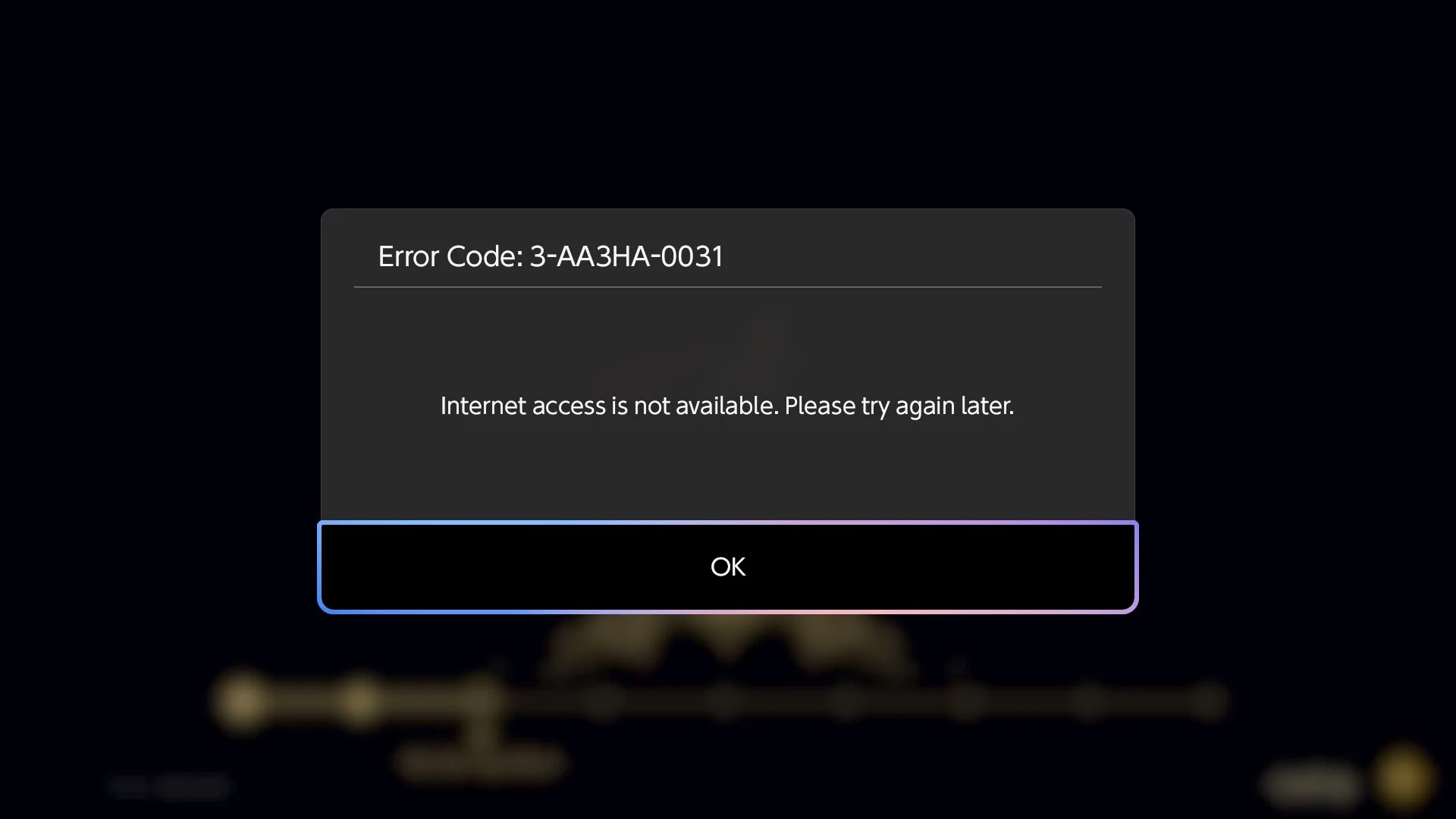
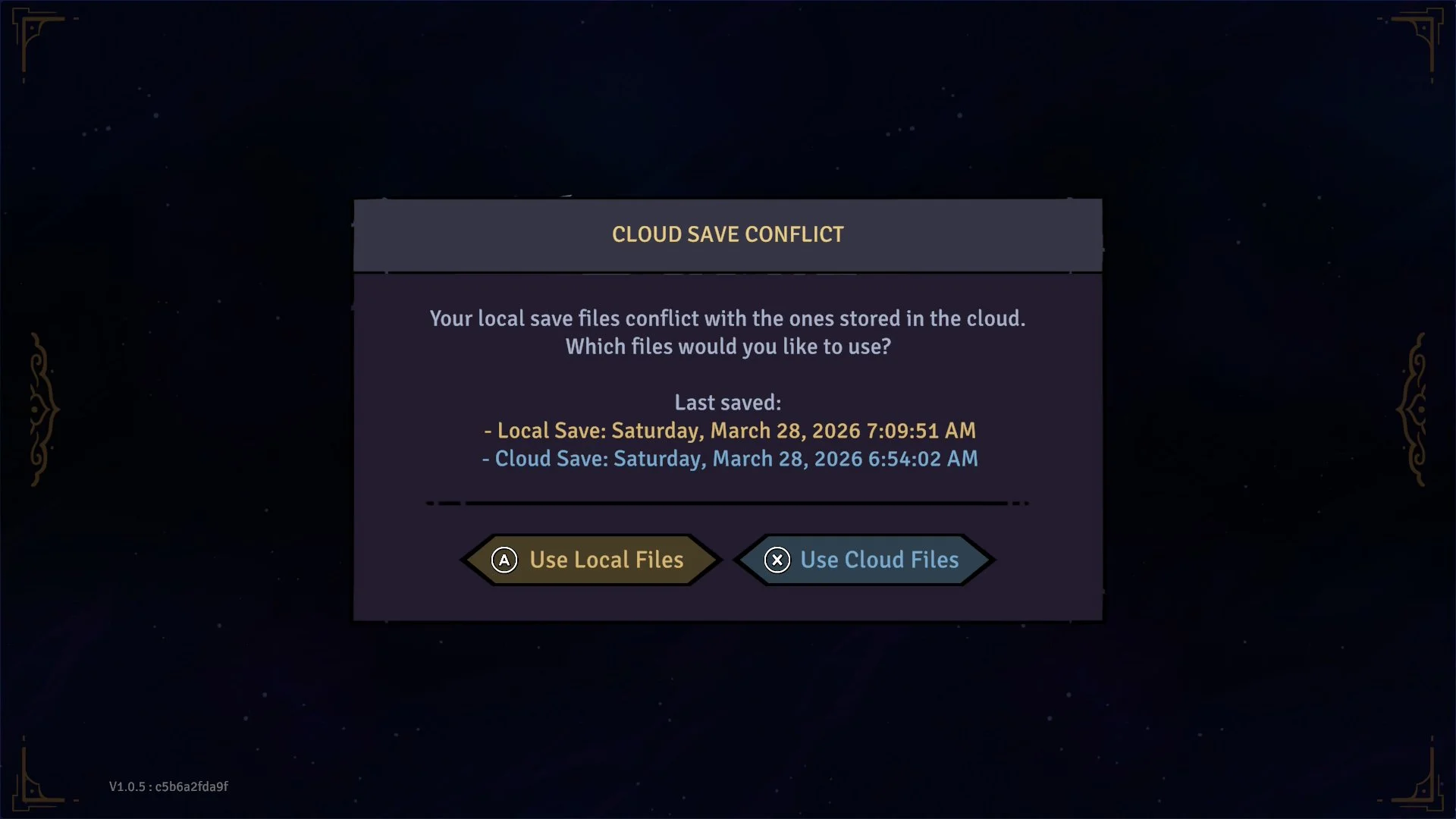
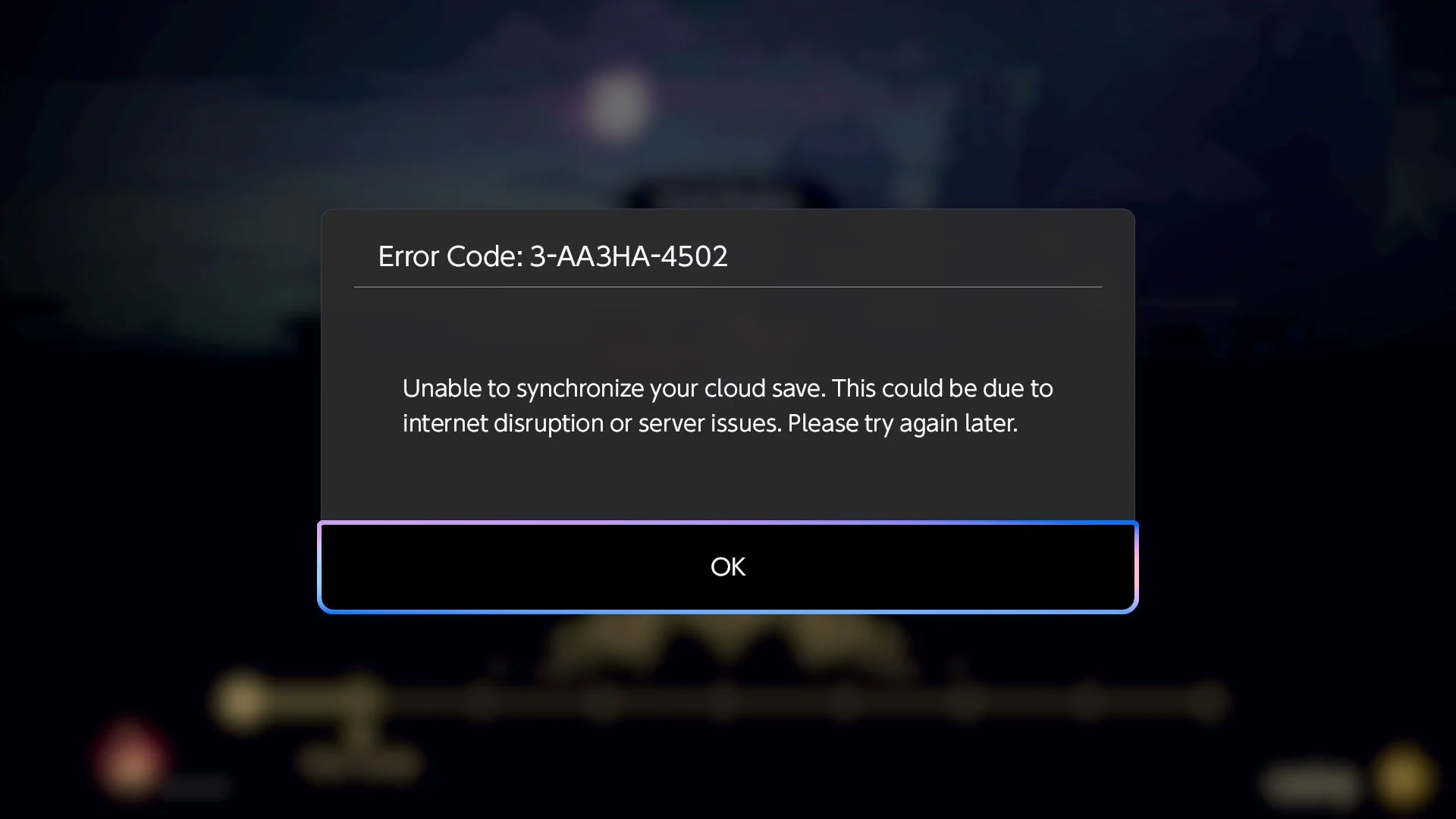

Seriously???
This happened regularly. The first time I experienced it, I was at PAX East, and I was not connected to the wifi. Fine, whatever. I connected, and all was well. But nooooooooooooooo. This was popping up all the time while docked at home, while constantly connected to my wifi. Unless convinced otherwise, this is an Ubisoft Connect, so I will not fault Evil Empire. This actually made me irrationally angry. I am angry thinking about it and even angrier typing it. As my kids say, UGH.
FINAL THOUGHTS
Fans of the roguelite genre should be adding this to their must-play list. If you were a fan of Dead Cells, Evil Empire continues their excellent work with that DLC to a brand-new game. If you have not played Dead Cells (why not????), fix that. Hell, maybe this will impress you enough to try their other work (they also developed Brotato - warning: insanely addictive). I know roguelite can seem like a scary genre tag similar to how soulslike seems to turn off people. Trust me when I say, this is a much more welcoming and accessible roguelite. Progression never feels blocked off by the need for grinding away for resources. Once you have an understanding of the game mechanics, you will be flying (or wall running) along. For those who need a challenge, the game provides this in the form of Awakening Rituals which are modifiers to crank the difficulty to 11 (or 15 or 22). On top of all that, Evil Empire has more to add to the game in the coming months. There is a Steam beta that will add a new element to the Prince’s attacks, and there is planned “endgame” content with arena-like combat and even more parkour challenges. The Rogue Prince of Persia is available now on PC (Steam), Xbox Series S/X, PlayStation 5, Switch, and Switch 2. Physical editions are available on Switch, Switch 2, and PlayStation 5, with the Immortal Edition containing a nice-looking Steelbook and some other goodies.
Digitally:
Steam Xbox PlayStation 5 Switch Switch 2
Physical:
PlayStation 5 Best Buy Target - Immortal Best Buy Target